
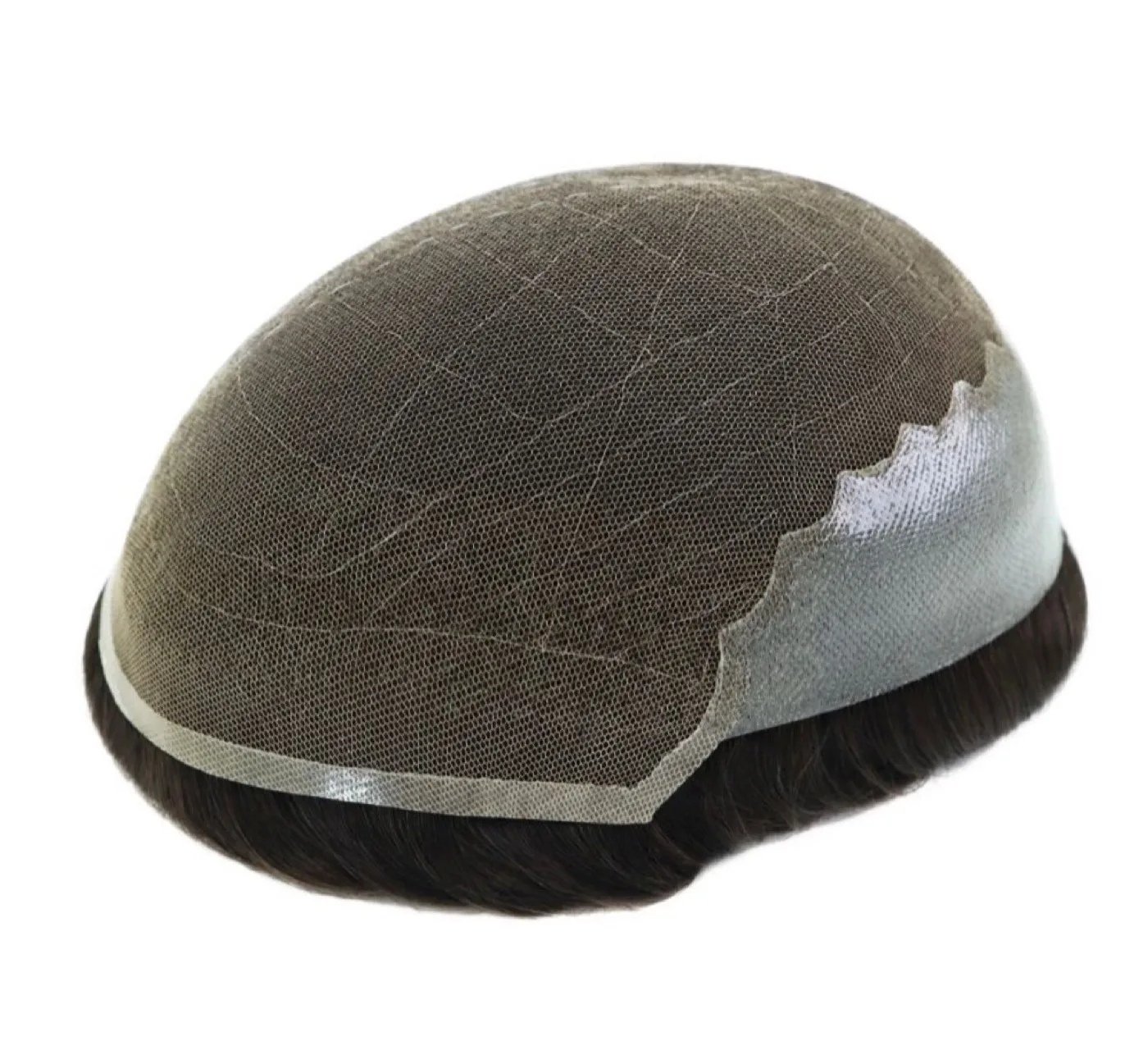
Q6
A lace top with a polyurethane perimeter — breathable where it covers the scalp, with a firm edge that holds attachment well and cleans easily. A good all-round first system.
Ask about Q6 →Two ranges, one place: the hair patches themselves, and the products that keep them clean, secure and looking natural between services.
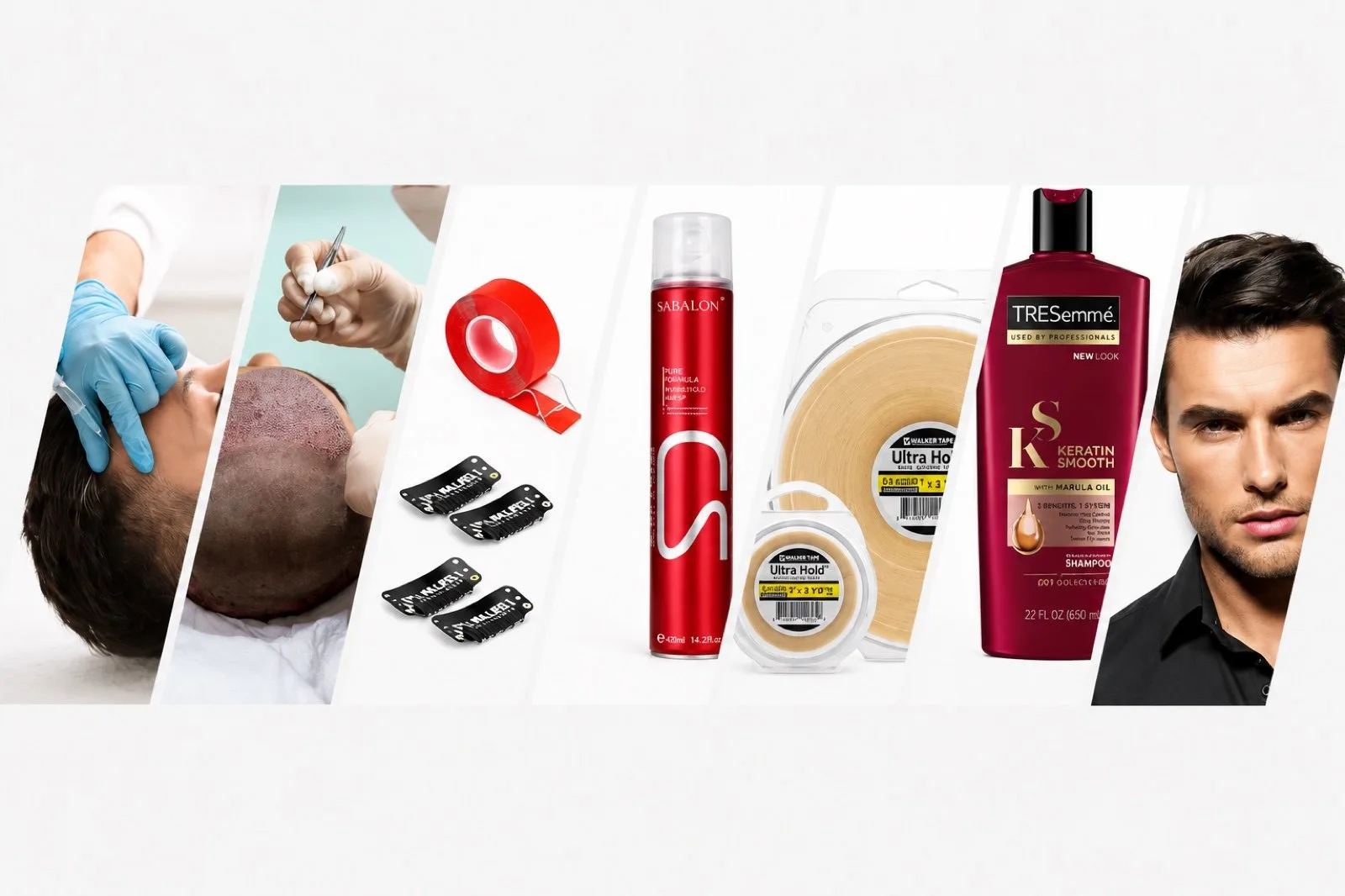
Most hair damage from products is not dramatic — it is the slow effect of using something too harsh, too often, on a scalp that needs the opposite. Treated hair and hair systems are less forgiving still: a strong everyday shampoo can strip a system, and the wrong product on a recovering scalp can undo careful work.
Rather than stocking everything, we keep what we would put on our own clients: gentle daily cleansing, scalp care aimed at the condition rather than the symptom, and the aftercare products used following a transplant or between hair-system services.
We would rather recommend the right product for your scalp than sell you the most expensive one, and if what you already use is working, we will tell you to keep using it. Ask at the clinic or bring it up at your consultation.
The units we fit, from PKR 25,000 to PKR 100,000. Each base suits a different lifestyle, hair length and budget, and where a unit falls in that range comes down to the base, the grade of hair and the density you need — we recommend the right one at your consultation.
A lace top with a polyurethane perimeter — breathable where it covers the scalp, with a firm edge that holds attachment well and cleans easily. A good all-round first system.
Ask about Q6 →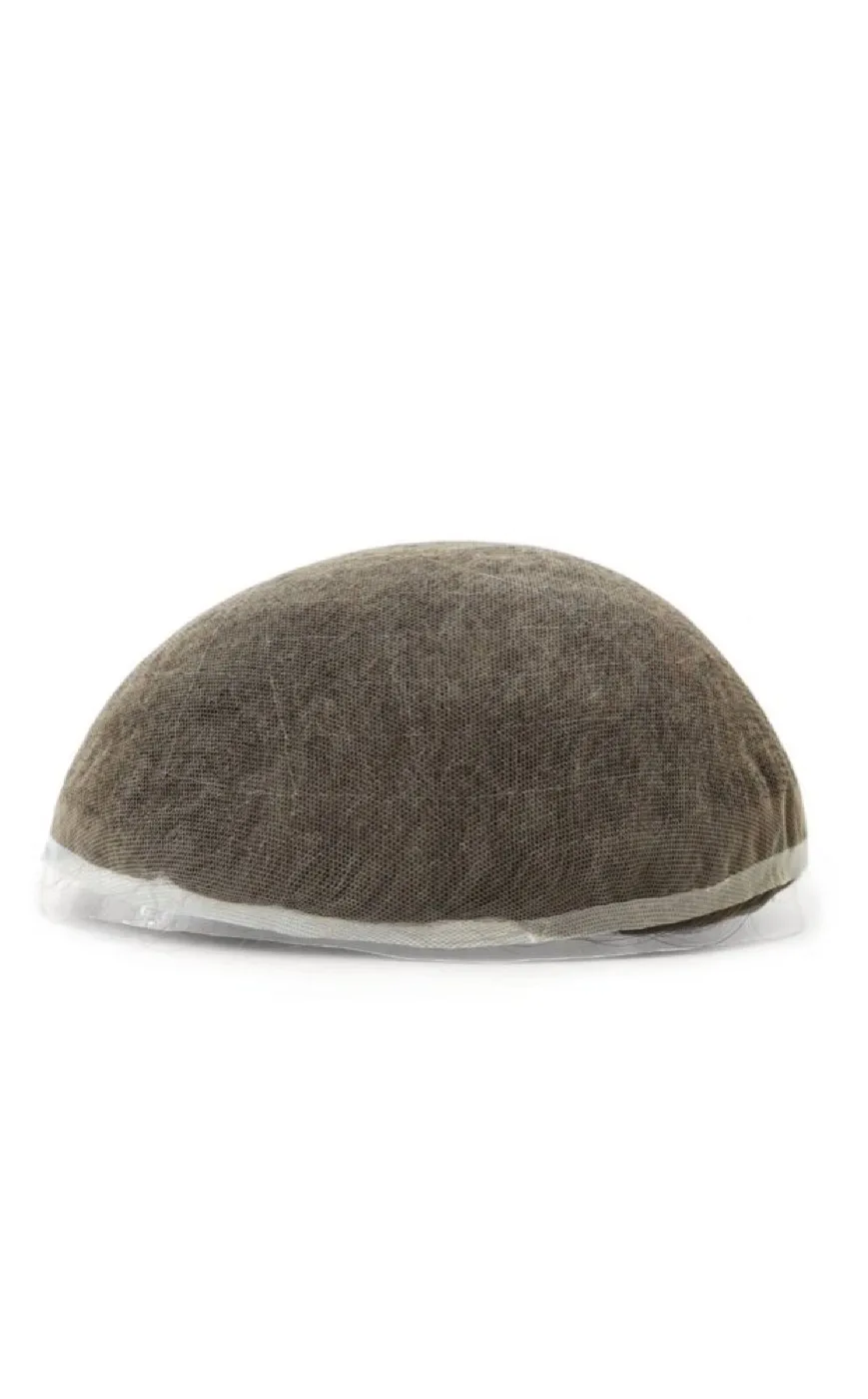
A full fine-mesh base, the lightest and most breathable of the range. Air and sweat pass straight through it, which makes it the one most clients ask for in Lahore summers.
Ask about ICON →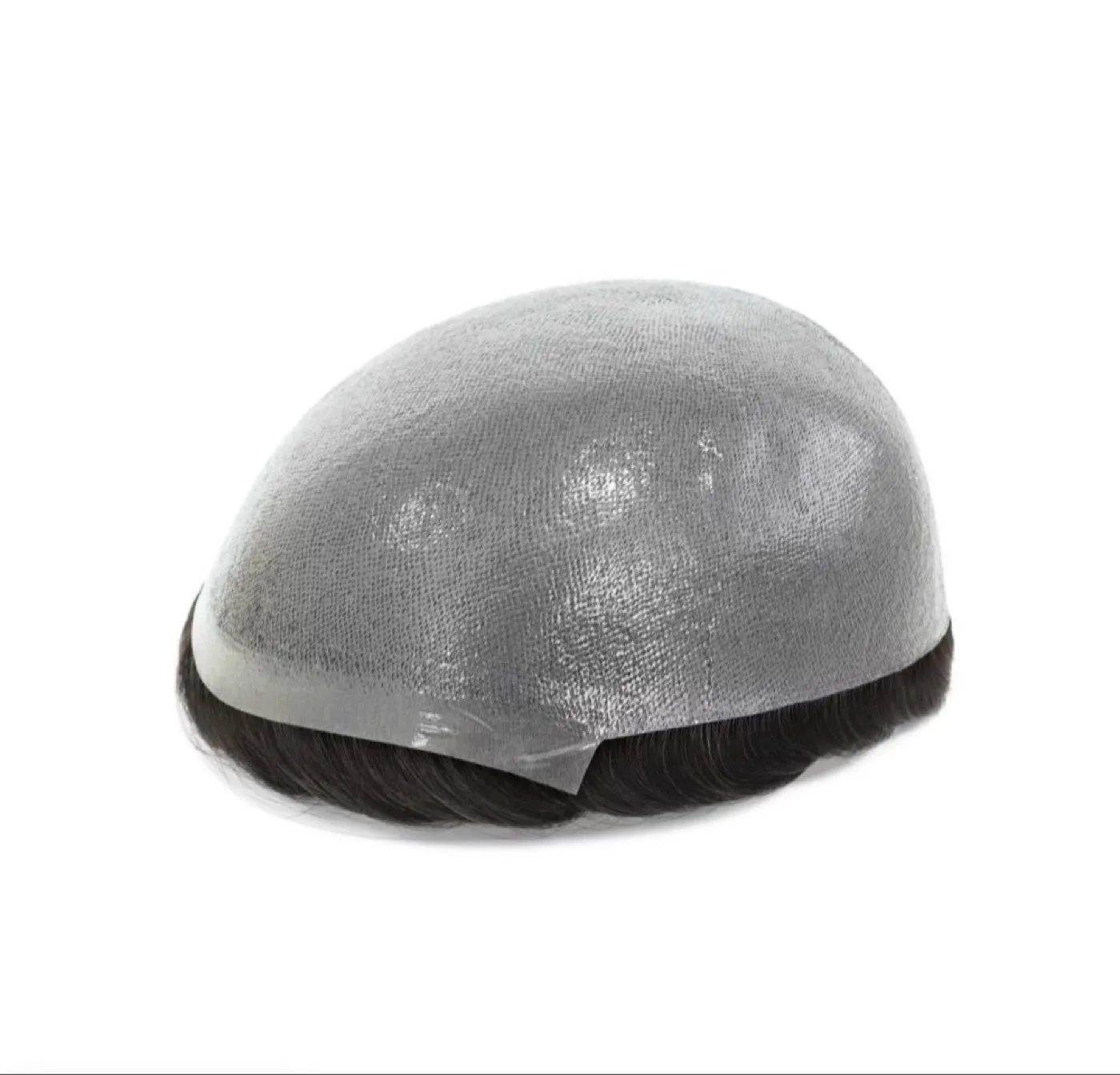
An ultra-thin polyurethane base that sits flat against the skin, giving the most undetectable hairline of any base we fit. The thinner the skin, the more natural it looks and the more carefully it needs handling.
Ask about THIN SKIN NG →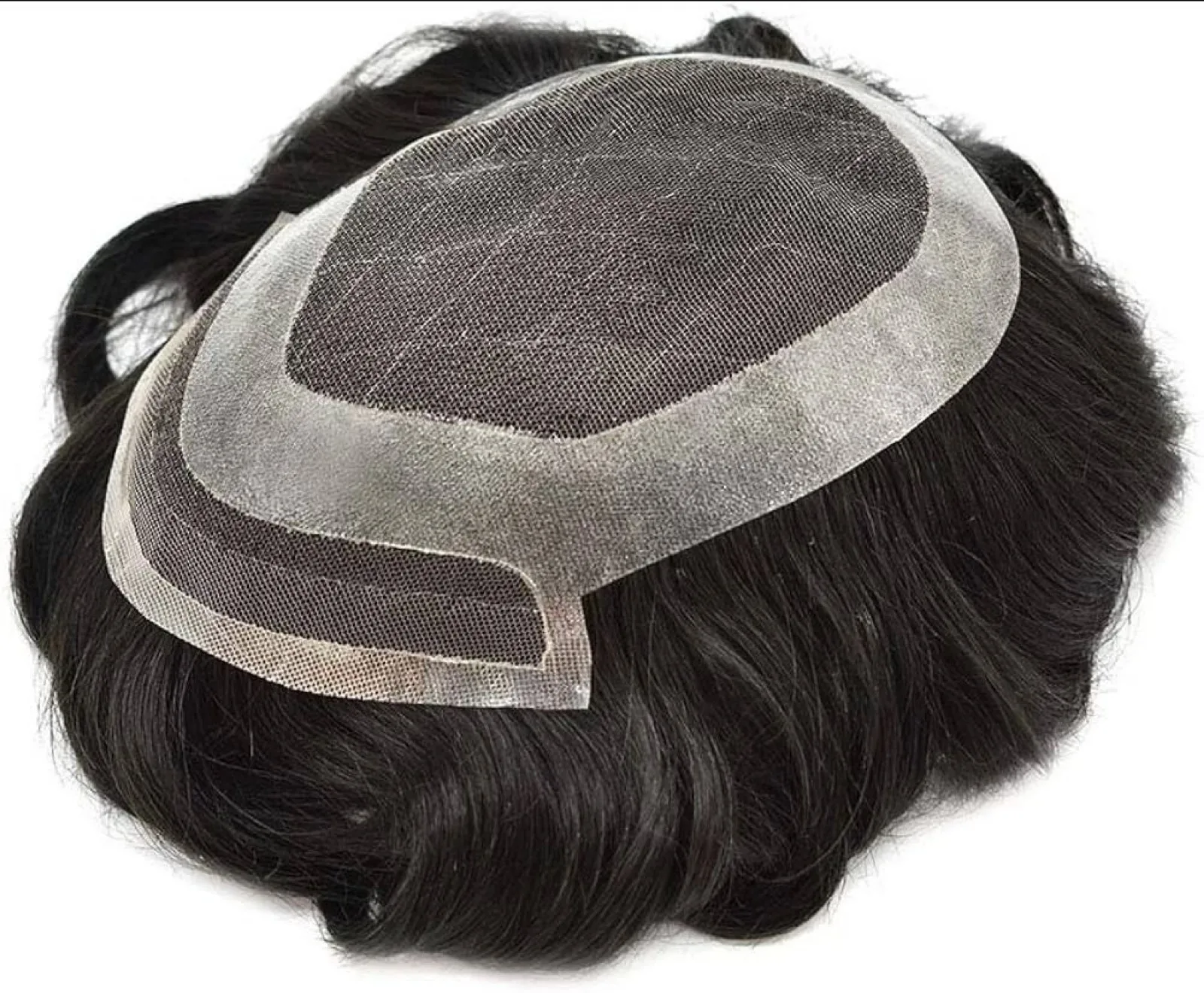
The finest lace available — it all but disappears against the scalp and breathes freely. The trade-off is delicacy: Swiss lace is the least hard-wearing base here and needs a gentle routine.
Ask about SWISSLACE →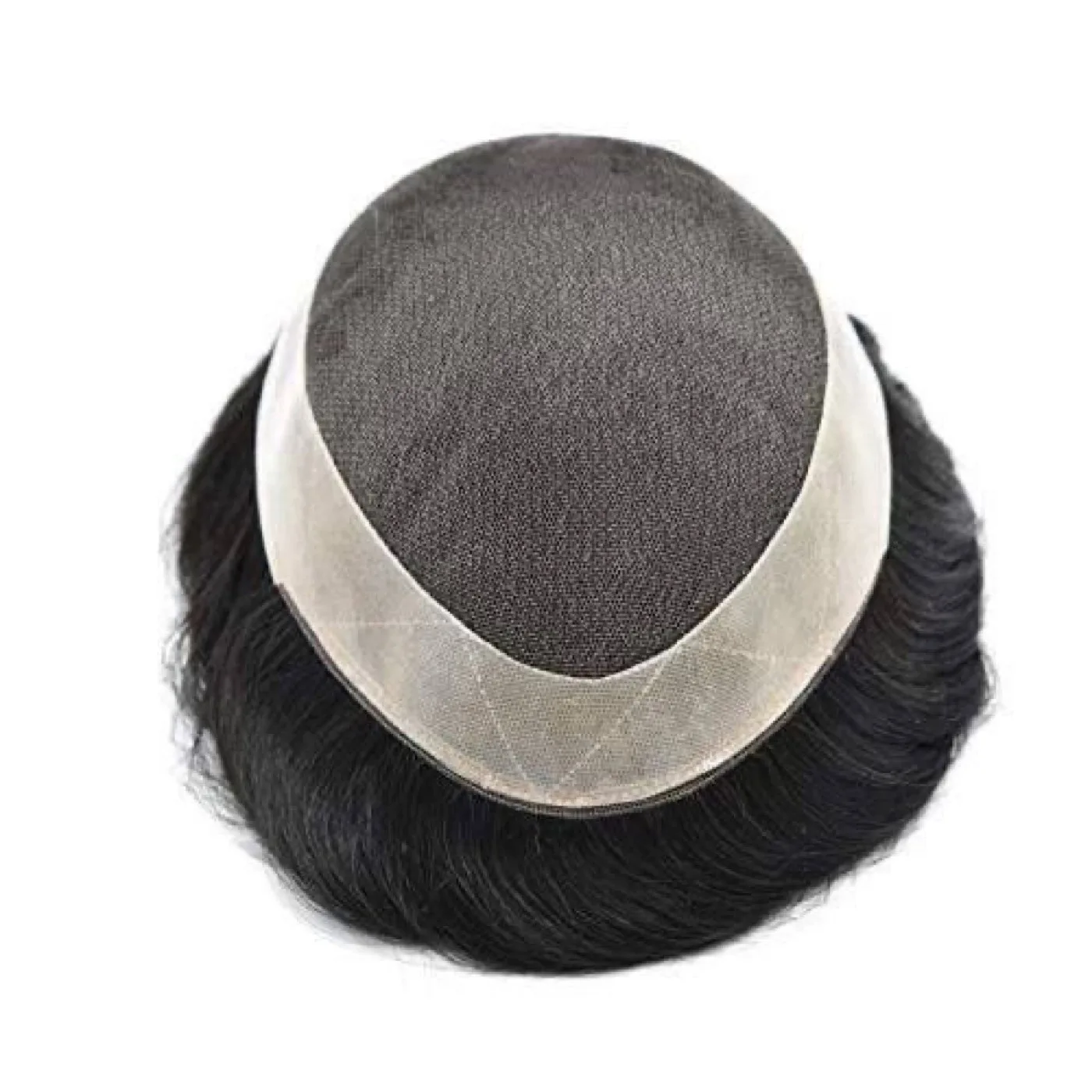
A mesh centre bordered with a stitched polyurethane edge. The border holds the shape and takes the wear, so this is the most durable base in the range and the easiest to clean and refit.
Ask about DURA H1 →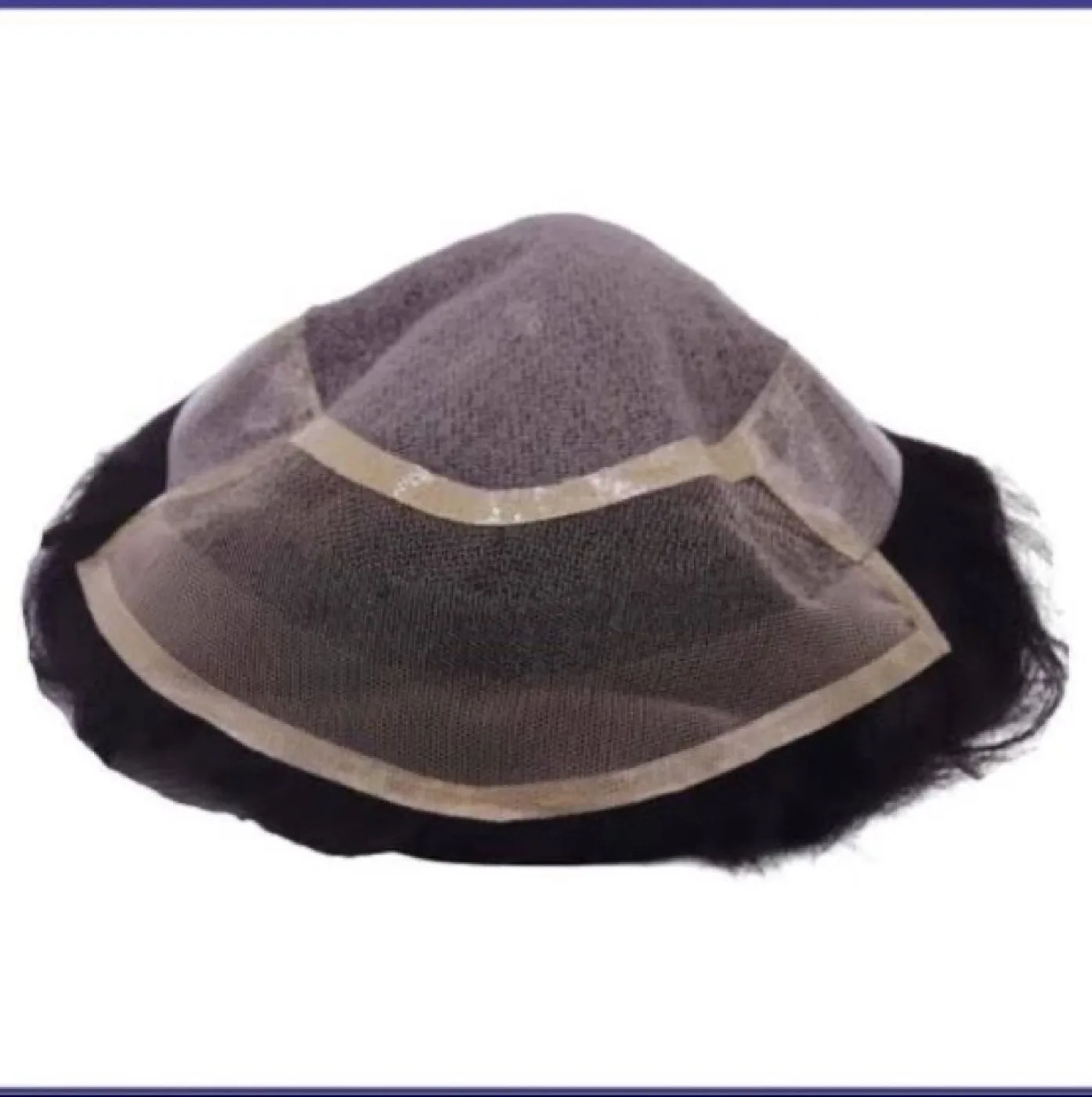
A double-lace monofilament base with a Swiss lace front, in an ultralight density. It reads as real scalp through the parting while lasting noticeably longer than a plain Swiss lace unit.
Ask about MIRAJ →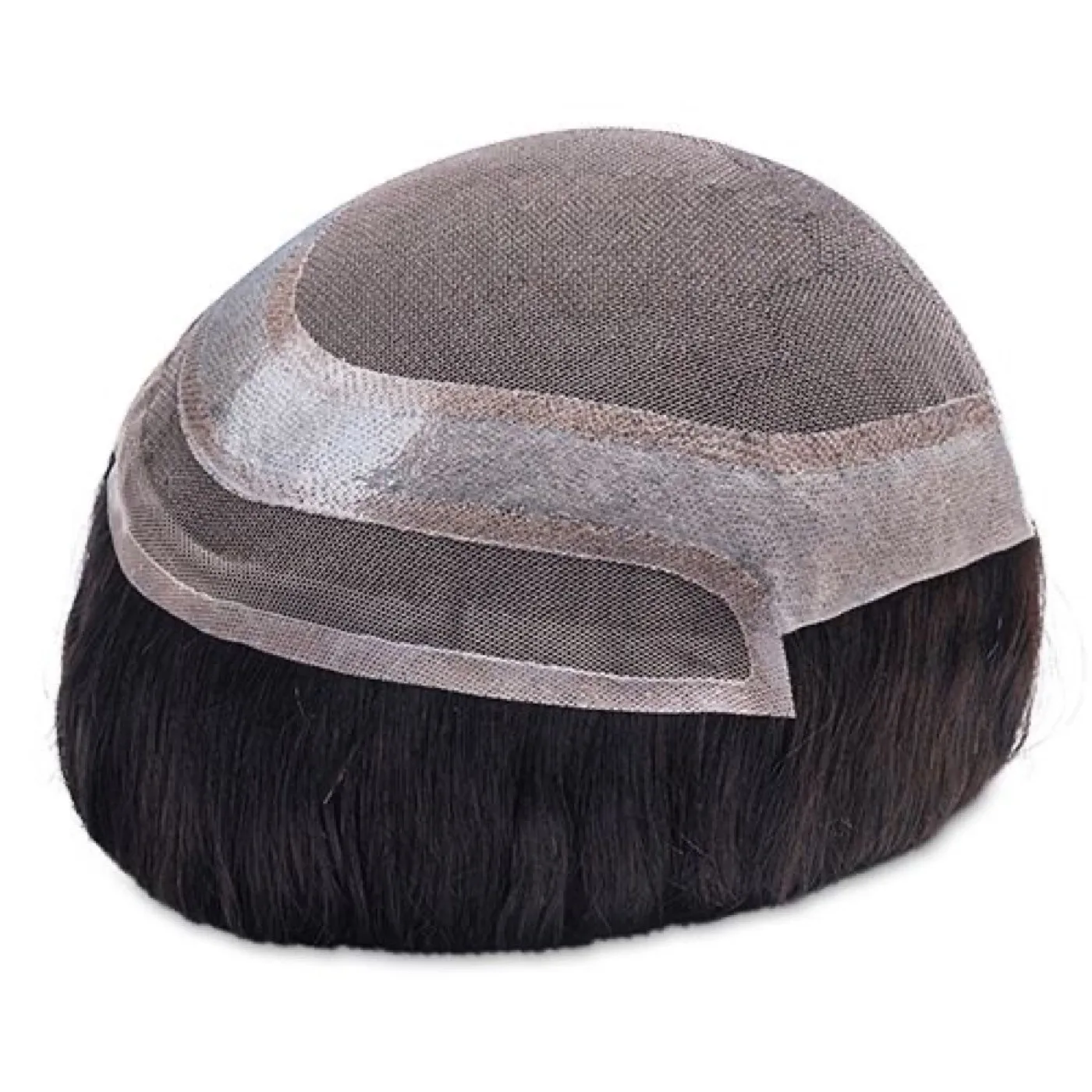
A monofilament base with a French lace front. French lace is slightly less invisible than Swiss but considerably tougher, making this the choice when you want a natural front that stands up to daily wear.
Ask about MGM →The tapes, adhesives, removers and care products that keep a hair system secure and looking right between services. We stock what we use on our own clients, and we will tell you if what you already have is doing the job.

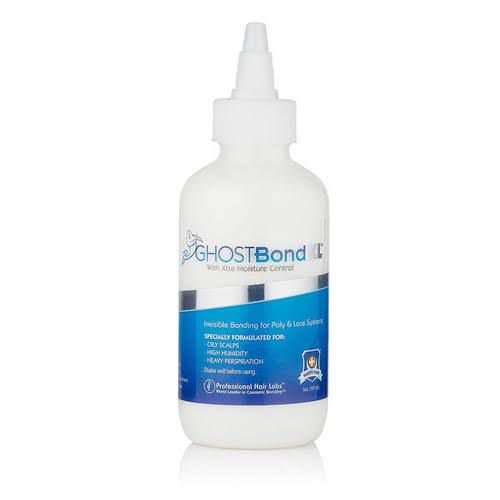
A water-based adhesive for daily wear. It goes on thin, dries clear and holds through showering and sweat, which is why it suits most clients as a first bond.
Ask about Ghost Bond →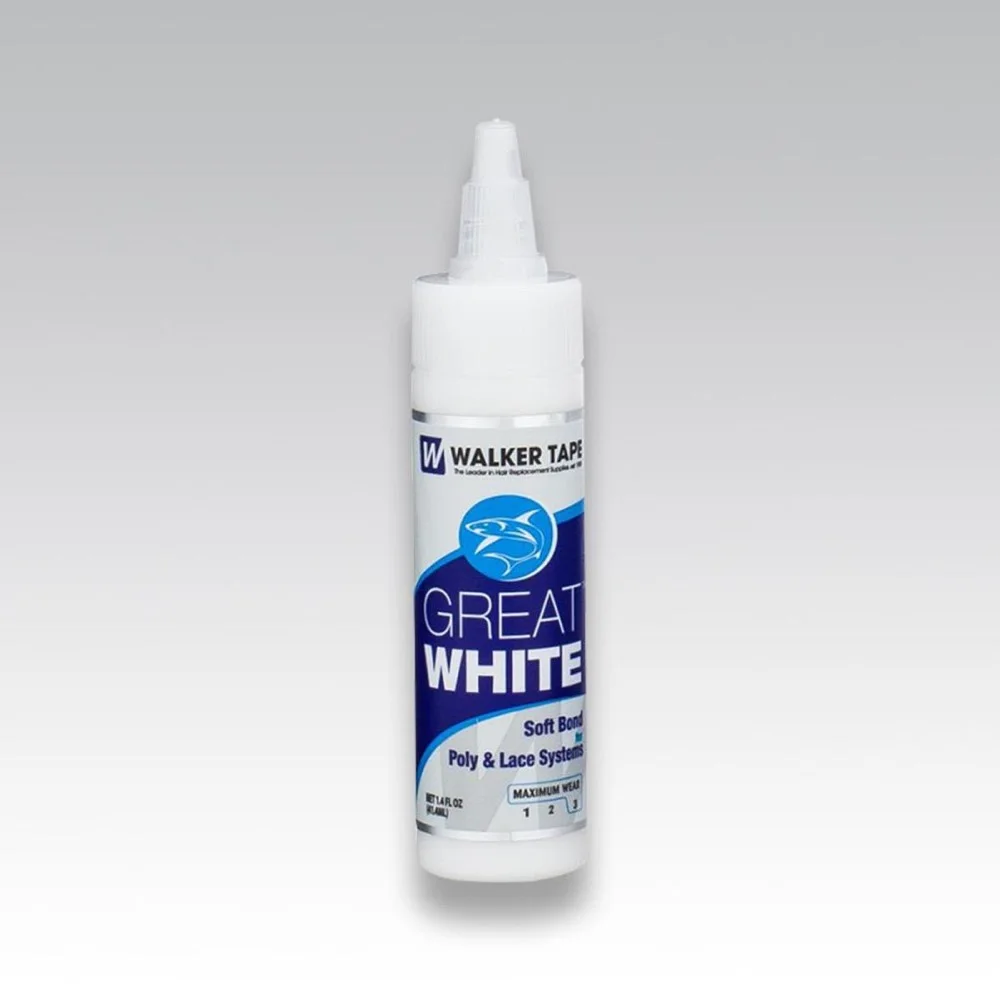
A soft bond adhesive from Walker Tape, made for poly and lace bases. It sits at the strong end of the wear range, so it is the one to ask about if you want the longest interval between services.
Ask about Great White →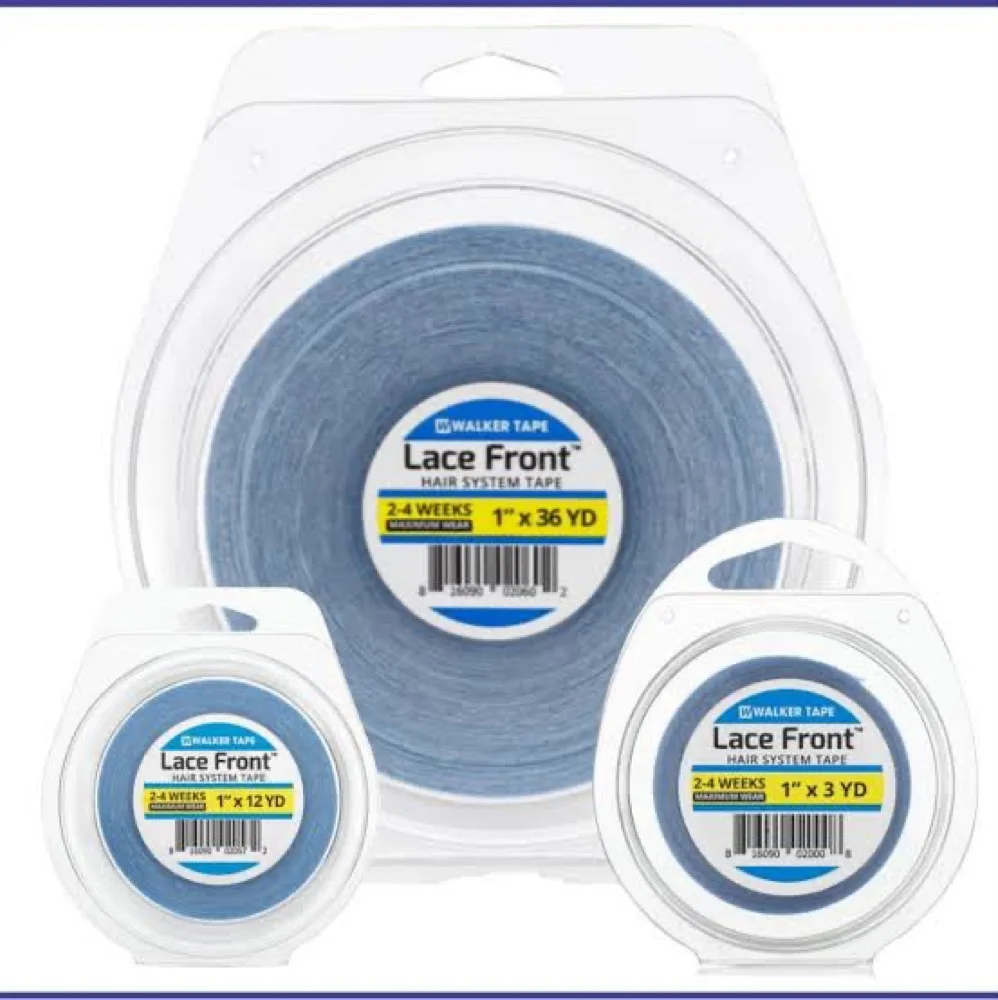
Walker Tape lace front tape, rated for two to four weeks a fitting. It comes in 3, 12 and 36 yard rolls, and we cut the length your unit needs rather than selling you a roll you will not finish.
Ask about Lace Front Tape →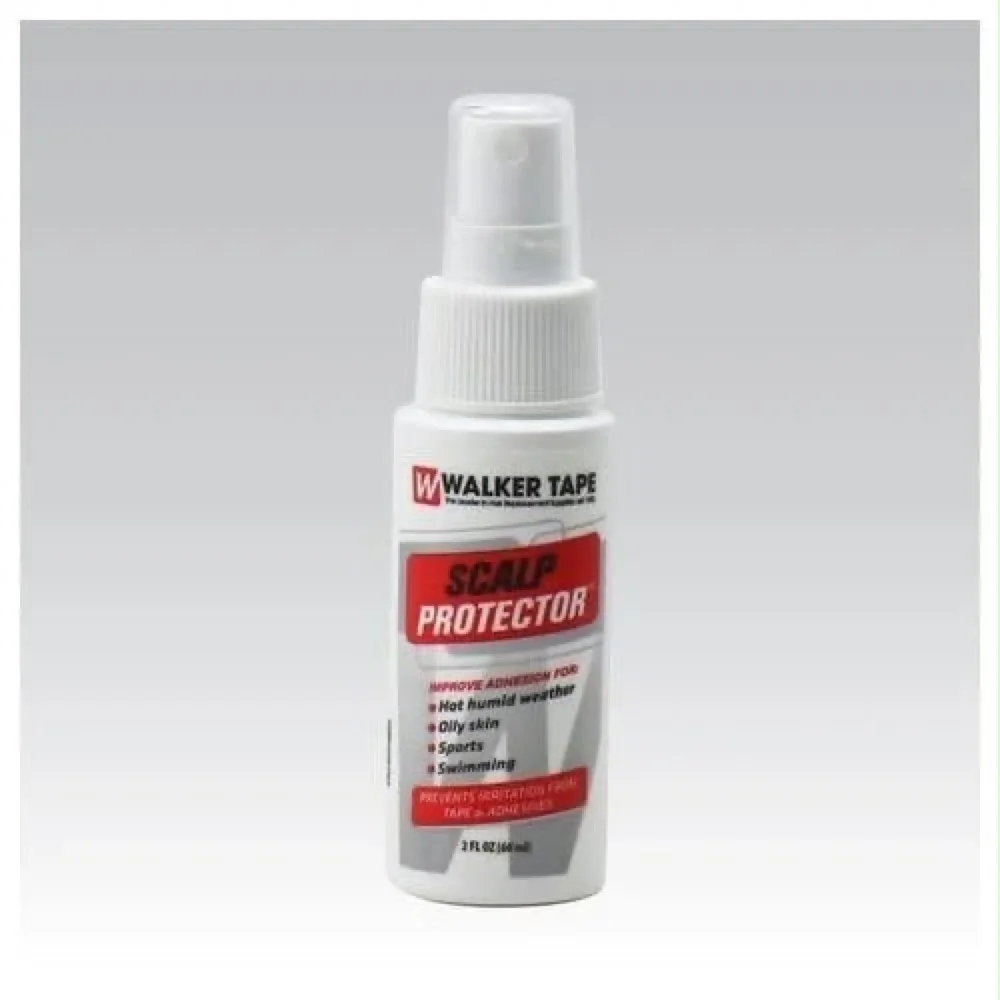
A barrier that goes on the skin before any tape or adhesive. It improves grip in heat, humidity and on oily skin, which covers most of the Lahore year, and it keeps the adhesive off the scalp so it does not irritate.
Ask about Scalp Protector →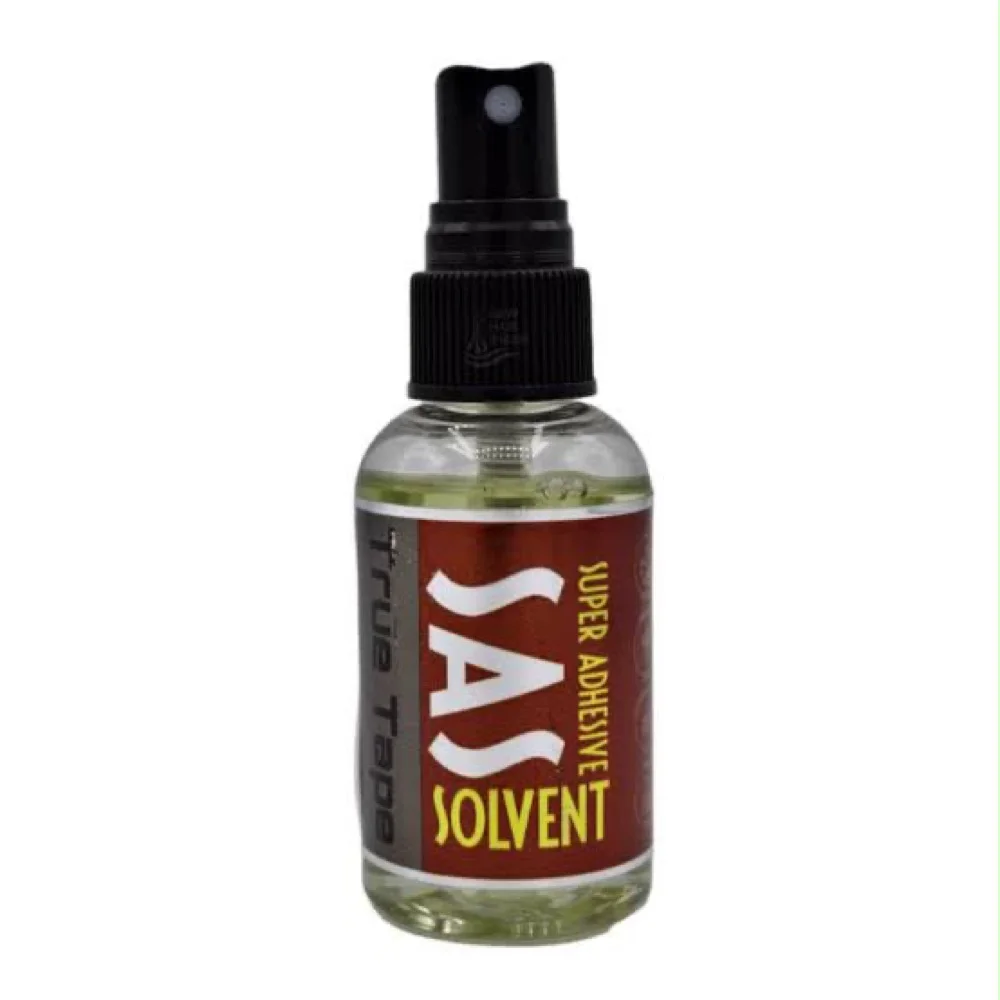
The remover. It breaks the adhesive down so the unit lifts away instead of being pulled off. Most of the damage people blame on wearing a system actually comes from taking it off badly.
Ask about SAS Solvent →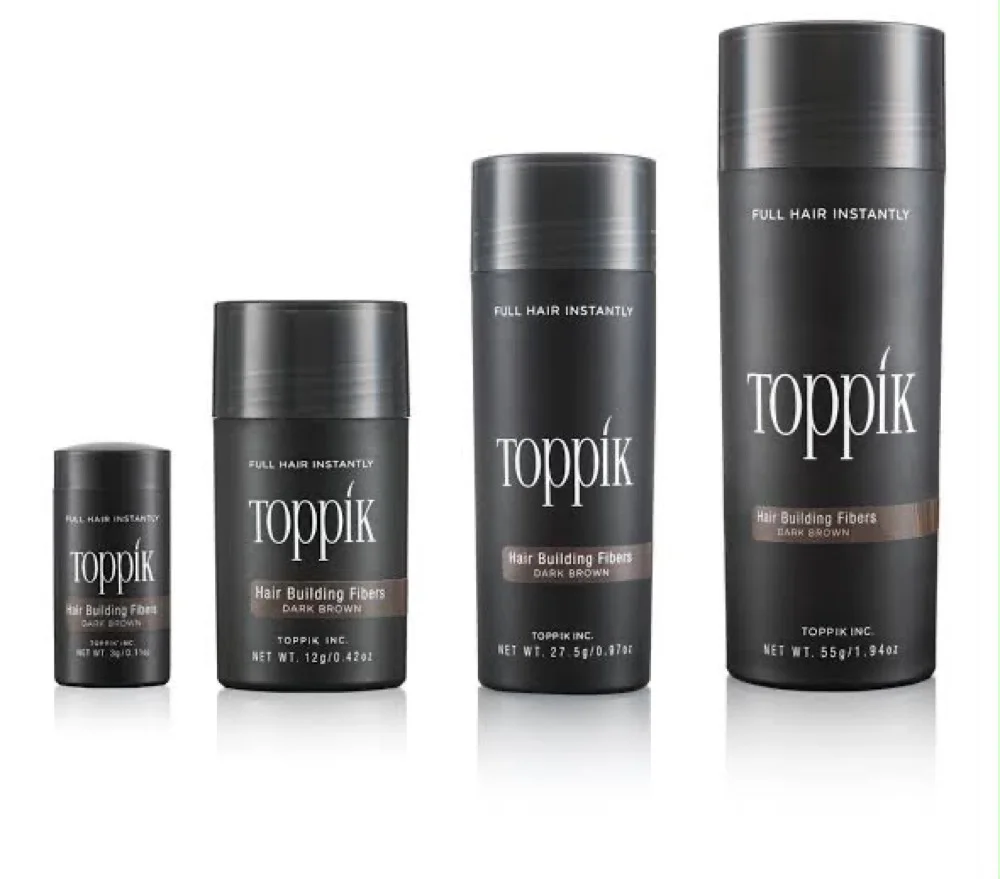
Keratin fibres that cling to the hair you already have and fill a thin area in seconds. Not a substitute for a system — useful for a parting, a sparse edge, or the day before a service is due.
Ask about Toppik Hair Building Fibres →What you currently use matters more than what you buy next. We start there.
Products are recommended for the scalp condition, not for the hair alone.
A short routine you actually follow beats a long one you abandon.
For the recovery period, yes — the area needs gentle handling and specific products. We give you written aftercare instructions and tell you exactly what to use and when.
Not usually. Everyday shampoos can strip a system and shorten its life. We supply the cleansers made for hair systems and show you how to use them.
Yes. Come into the clinic and we will recommend what suits your scalp, whether or not you are having anything else done.
Hair patches at M. Hair House run from PKR 25,000 to PKR 100,000. Where a unit falls in that range depends on the base, the grade of hair knotted into it, the density you need and how much area it covers. There is also an ongoing cost for servicing and eventually replacing the unit, which anyone quoting you a single figure has left out. The consultation is free.
Book a consultation and let our team recommend the right next step for you.
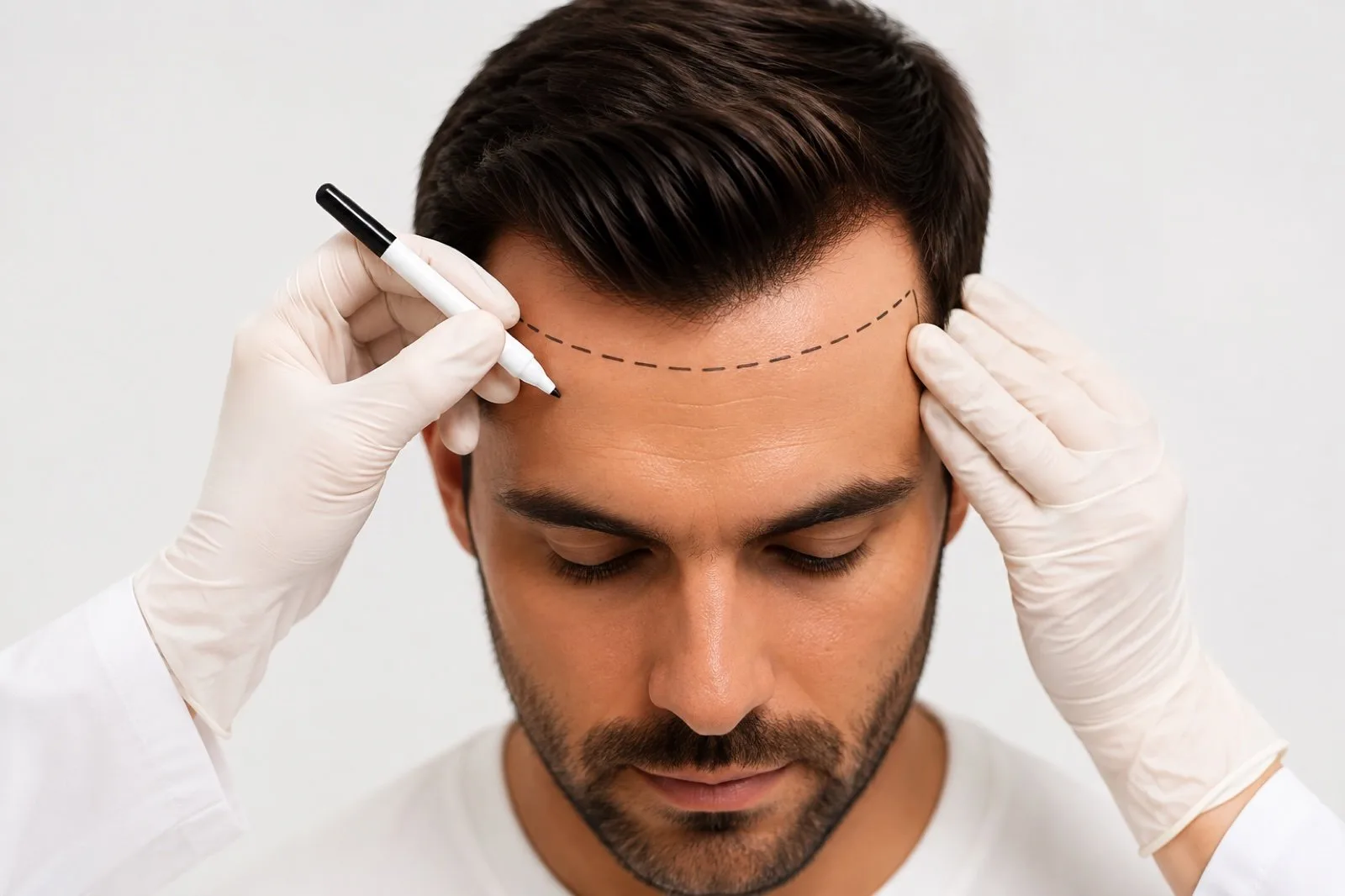
Permanent hair restoration using your own follicles, for natural density that keeps growing.
Learn More →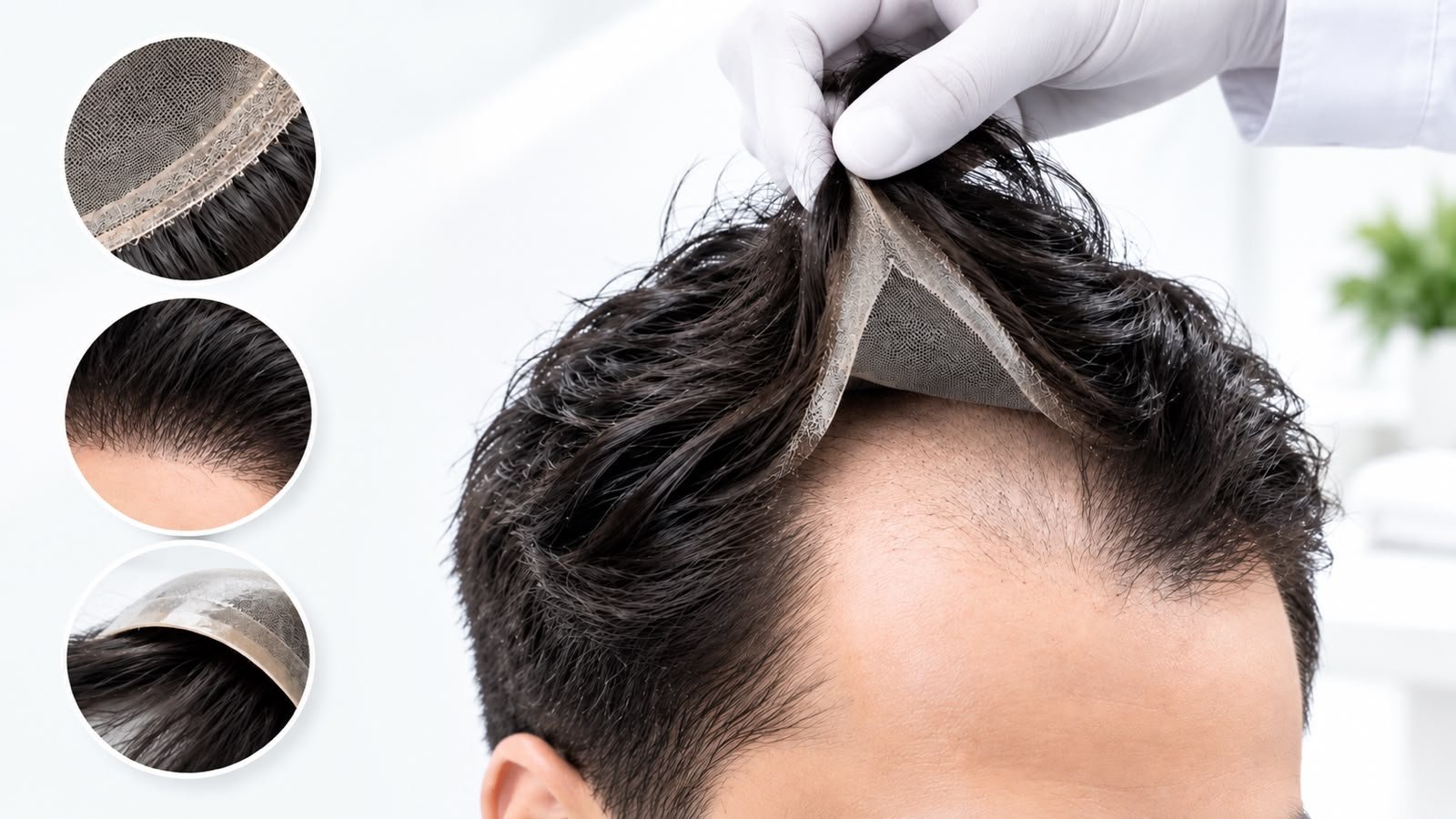
Advanced non-surgical hair patch solutions for an instant natural look and fuller hair.
Learn More →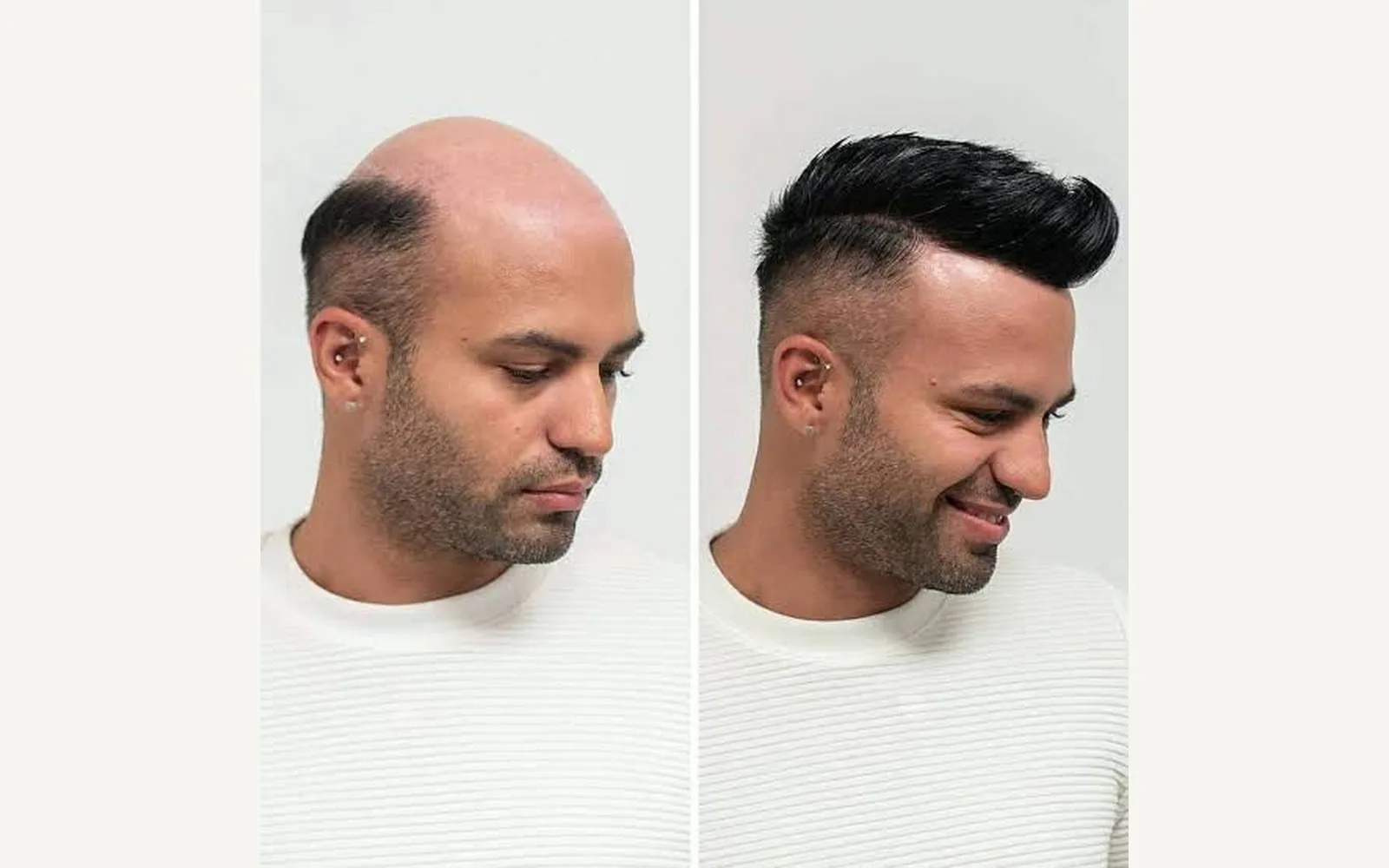
Clip-in, tape-in and micro-ring extensions in human hair, matched and blended into your own.
Learn More →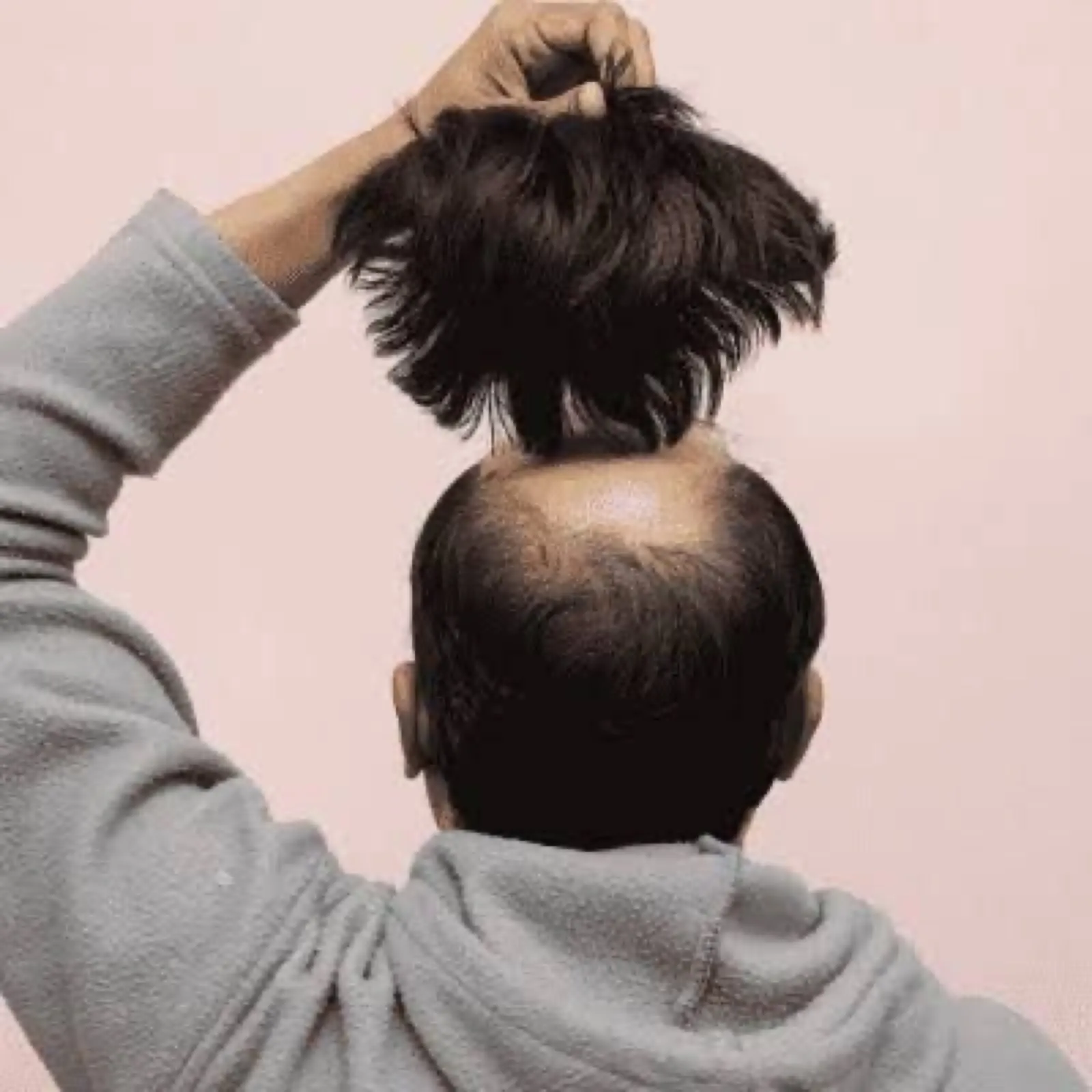
The methods used to attach a hair system — bonding, weaving and clipping — and which one suits your scalp.
Learn More →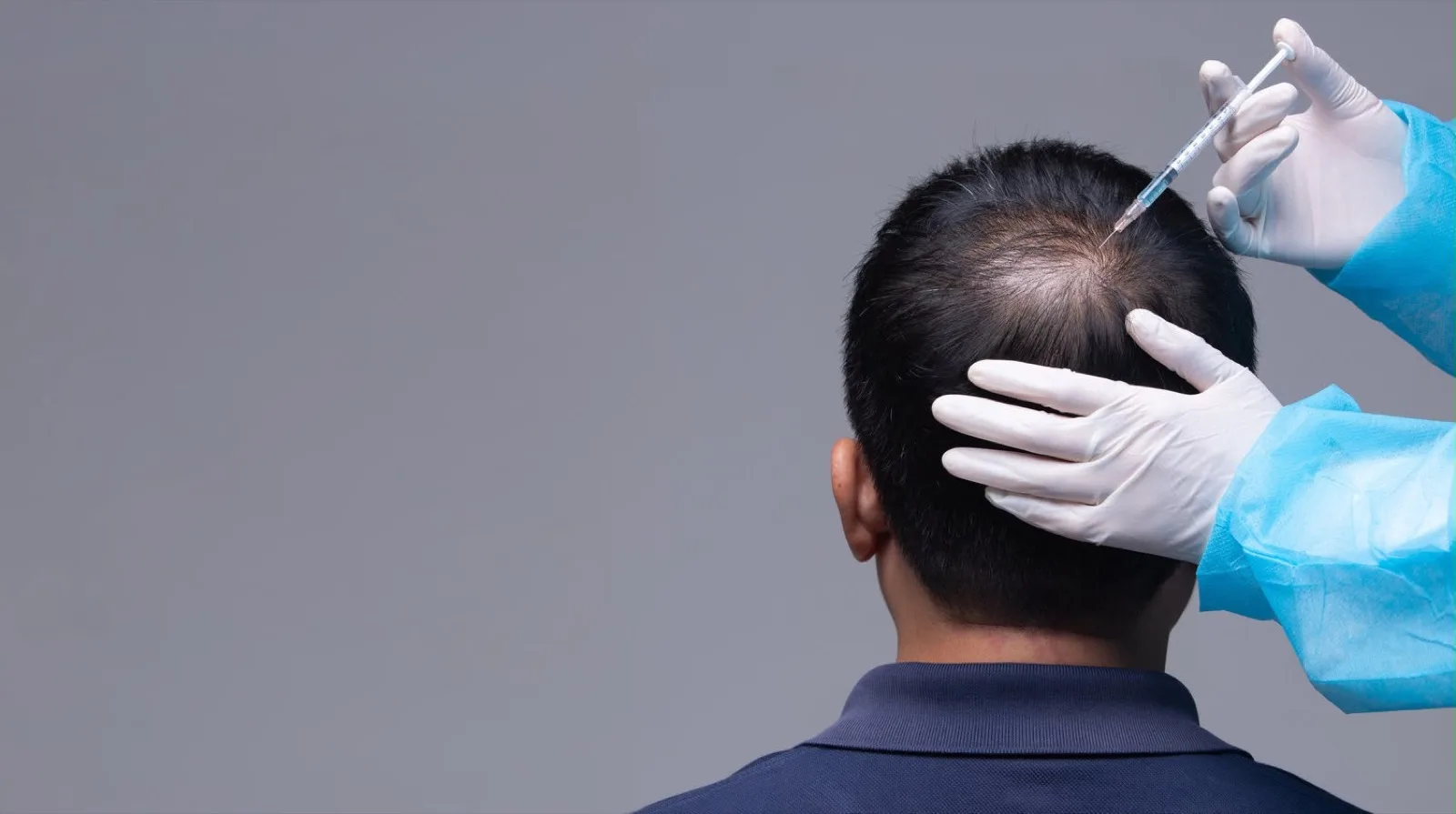
Platelet-rich plasma from your own blood, used to slow shedding and thicken the hair you still have.
Learn More →
The honest comparison — what each one does, who it suits, and how to tell which is right for your hair loss.
Learn More →