
Matched to your own hair
Colour, texture and wave are matched to yours, so the join disappears rather than being covered up.
Hair extensions add length, volume, or both, using human hair matched to your own and fitted so the join does not show. Which method suits you depends less on what you want and more on what your own hair can carry.
There are four methods worth knowing about, and they trade convenience against how long they stay in. Clip-ins go in and come out yourself in minutes, which makes them right for occasions rather than everyday wear. Tape-in extensions are thin wefts taped either side of a section of your own hair; they sit flat enough to hide under fine hair and stay in for weeks. Micro-ring, sometimes called micro-bead, clamps small sections with tiny rings and uses no heat and no glue at all. Keratin or fusion bonds attach strand by strand and last longest, but take the most time both to fit and to remove.
Choosing between them is mostly a question about your hair, not your hairstyle. If you want length for a wedding and then your own hair back, clip-ins. If you want to stop thinking about it and simply have the hair, tape-in or micro-ring. If your own hair is fine or fragile, the honest answer is a lighter method and fewer strands than you might want, because weight is what causes damage rather than extensions in themselves.
We fit human hair only. Synthetic costs less and holds a curl, but it cannot be heat-styled or coloured, it shines under direct light, and it tangles in a way real hair does not. Human hair washes, dries and styles alongside your own because it behaves the same way.
Extensions get blamed for damage that is really caused by how they were fitted or taken out. Too much weight for the hair supporting it, rings or bonds fastened too tight, left in months past when they should have been moved up, or pulled out rather than removed properly — those cause breakage at the root. Anyone with active shedding, a scalp condition, or existing traction damage should treat that first. We check at the consultation, and if your hair is not in a state to carry extensions we will say so rather than fit them anyway.
They also need maintaining, which is the part people are least often told before they buy. As your own hair grows, tape-in and micro-ring extensions move down away from the scalp and need lifting back up, usually every six to eight weeks. The hair itself can be reused several times if it has been looked after. Factor that in when deciding, because the fitting is not the end of it.
The last part is the cut. Extensions straight out of the packet sit as a separate layer with a visible step where they begin. Cut and blended into your own hair, at your own length, they read as your hair being longer. That step is what separates extensions people notice from extensions people do not.
Colour, texture and wave are matched to yours, so the join disappears rather than being covered up.
Fine or fragile hair needs a lighter method and fewer strands. Weight is what causes damage, not extensions themselves.
It can be washed, heat-styled and coloured alongside your own, because it behaves the same way. We do not fit synthetic.
If your hair or scalp is not in a state to carry extensions, we will tell you that, and what to do first.
Tape-in and micro-ring need moving back up as your hair grows. We schedule that rather than leaving you to find out.
We look at the condition and density of your own hair and decide which method it can carry, and how much.
Colour, texture and wave are matched to your own hair, and the length is chosen with you.
Applied section by section. Micro-ring uses no heat and no glue; tape-in sits flat enough to hide under fine hair.
Cut into your own hair so there is no step where the extensions begin. This decides whether they are noticed.
Lifted back to the scalp every six to eight weeks as your hair grows, and taken out properly when you are done.
It depends on your hair and how often you want to think about it. Clip-ins suit occasions, because they come out the same day. Tape-in or micro-ring suit everyday wear. Fine or fragile hair needs a lighter method and fewer strands than thick hair can carry.
Fitted correctly and removed properly, no. Damage comes from weight the hair cannot carry, bonds or rings fastened too tight, leaving them in long past when they should have been moved up, or pulling them out instead of taking them out. We assess your hair first and will decline if it is not ready.
Clip-ins last as long as you look after them, since they come out daily. Tape-in and micro-ring need moving back up every six to eight weeks as your own hair grows, and the hair itself can usually be reused several times.
There is no single price. It depends on the length, the grade of hair, the method used and how much volume you want. We quote after seeing your hair, and the consultation is free.
Yes, with human hair. You can wash, blow-dry, straighten and curl them along with your own hair. Keep heat moderate, and keep the bonds or tapes brushed through so they do not tangle at the root.
Book a consultation and let our team recommend the right next step for you.
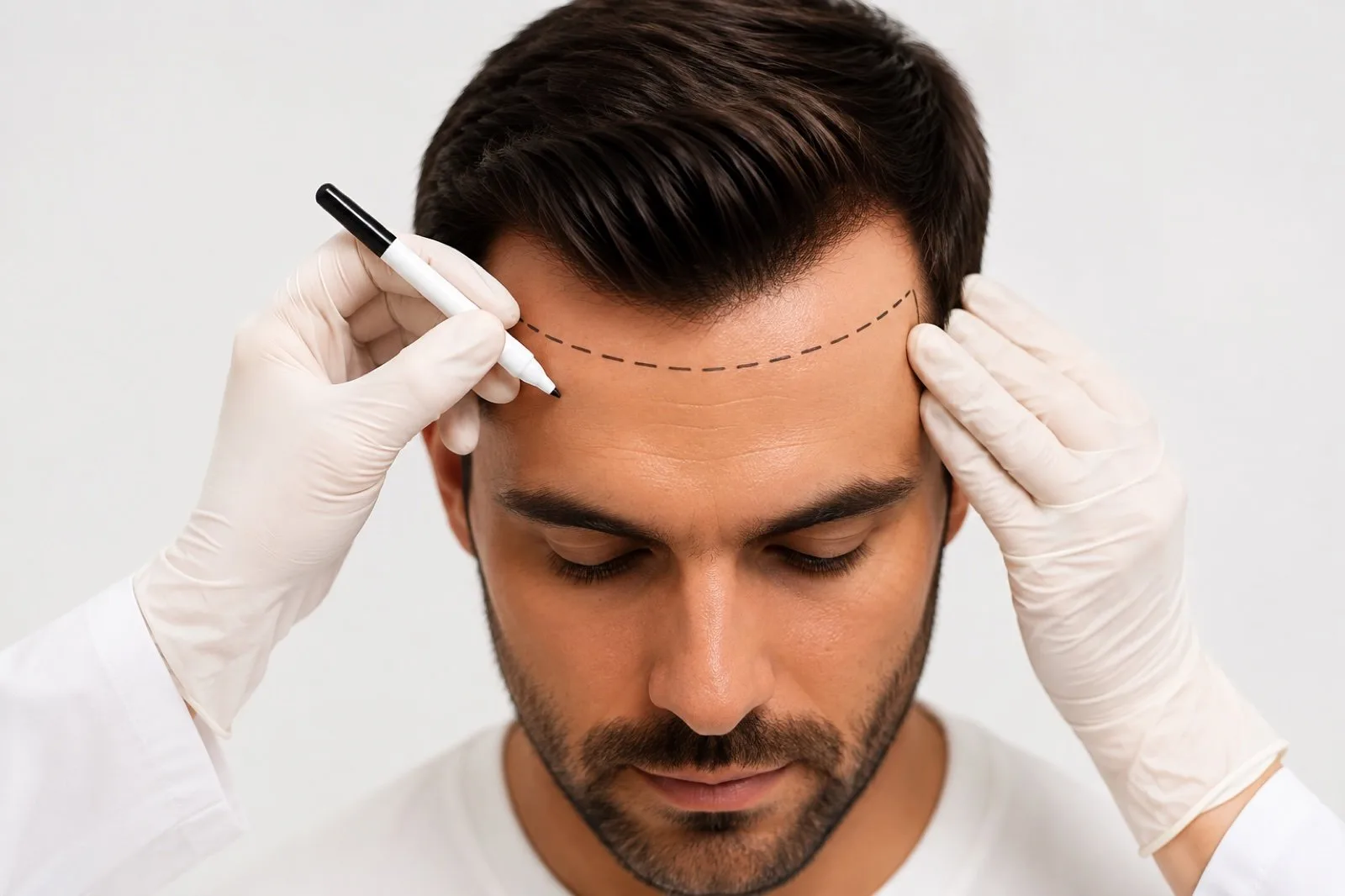
Permanent hair restoration using your own follicles, for natural density that keeps growing.
Learn More →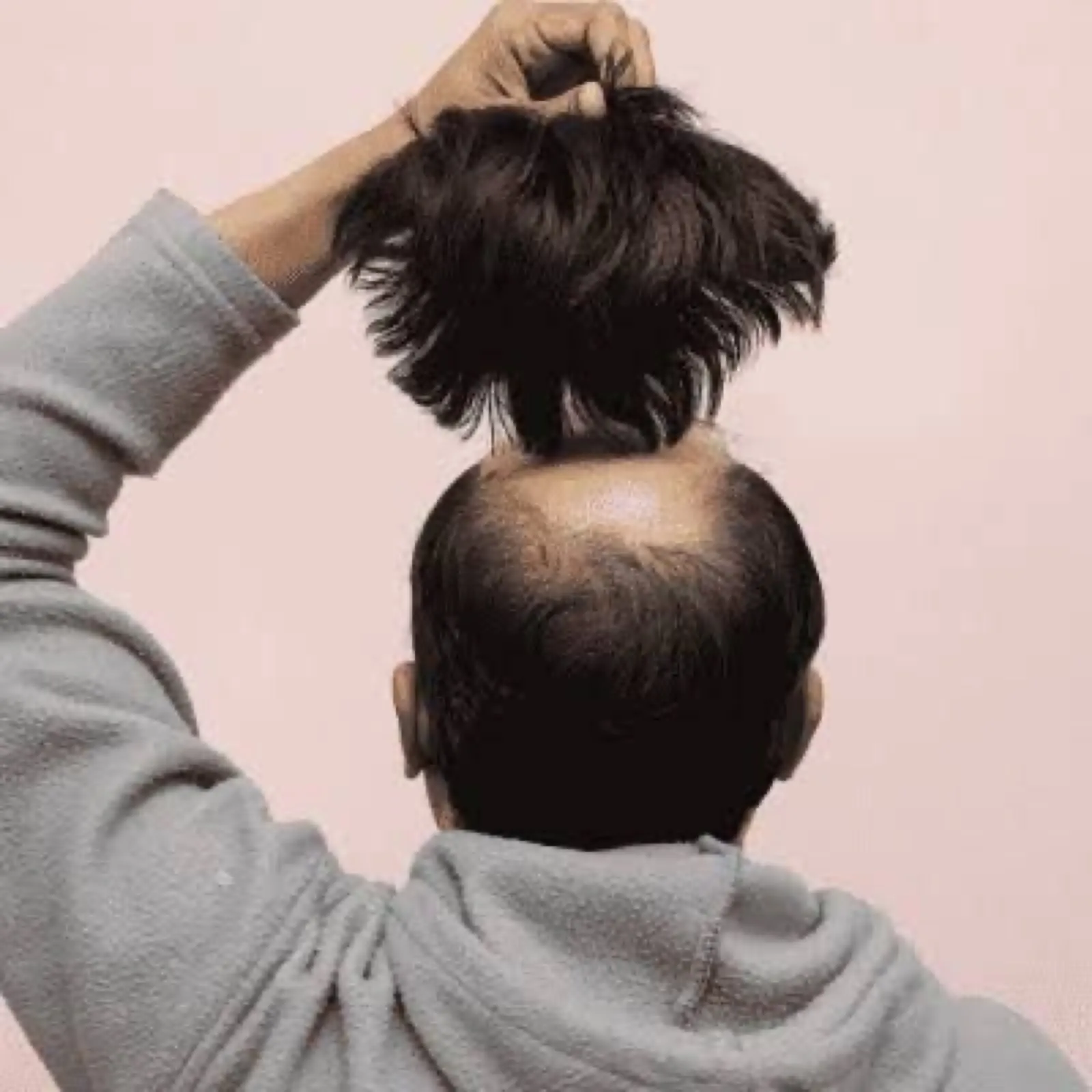
Advanced non-surgical hair patch solutions for an instant natural look and fuller hair.
Learn More →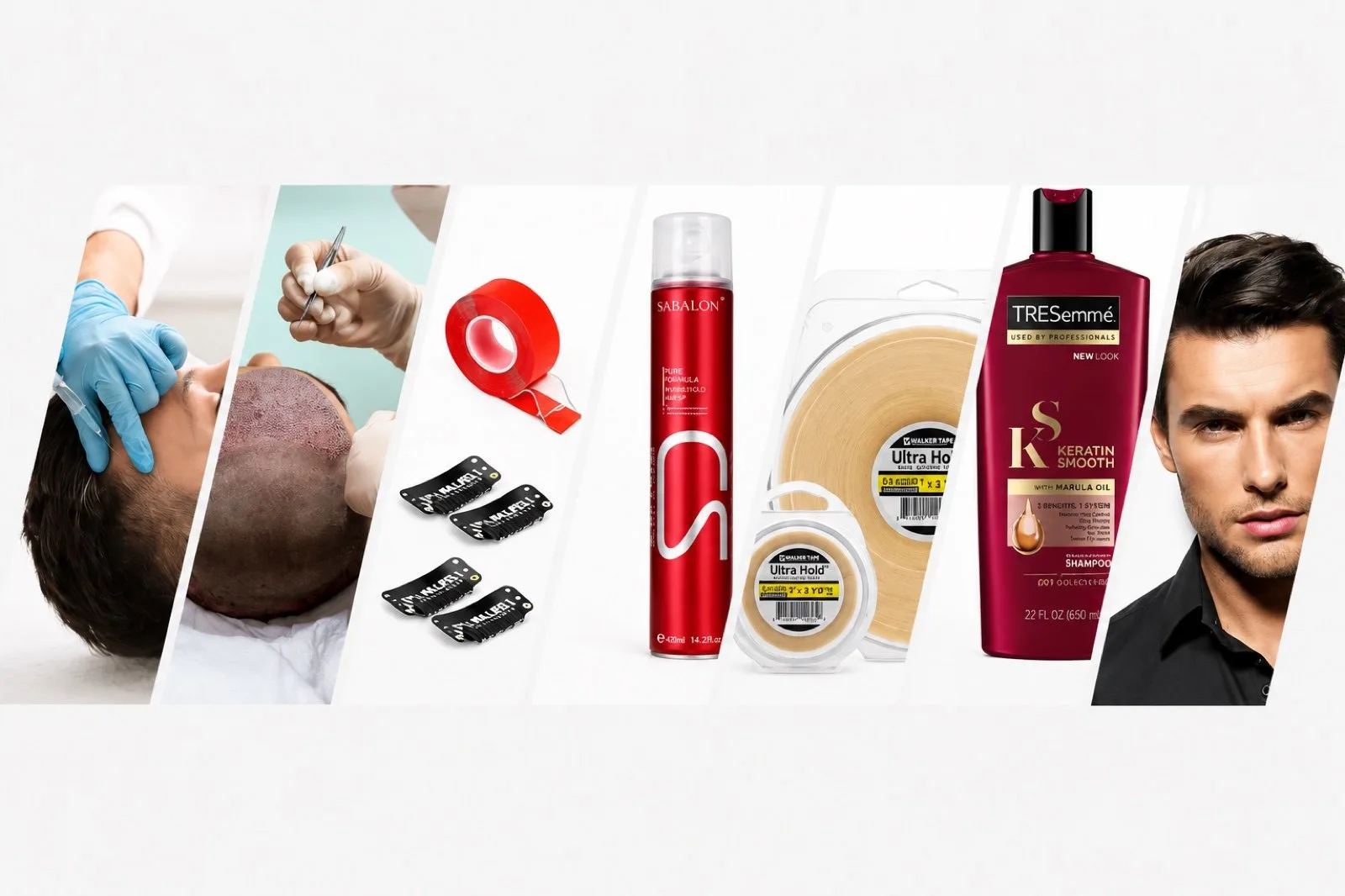
Hair patches and the products that keep them looking right, chosen and fitted at the clinic.
Learn More →
The methods used to attach a hair system — bonding, weaving and clipping — and which one suits your scalp.
Learn More →
Platelet-rich plasma from your own blood, used to slow shedding and thicken the hair you still have.
Learn More →