
Chosen at the scalp
Oily skin, sensitive skin and how much hair is left each point to a different method. We look before recommending.
Bonding, weaving and clipping are not different products. They are different ways of attaching the same thing — a hair system — to your head. The unit decides how it looks. The attachment decides how it lives.
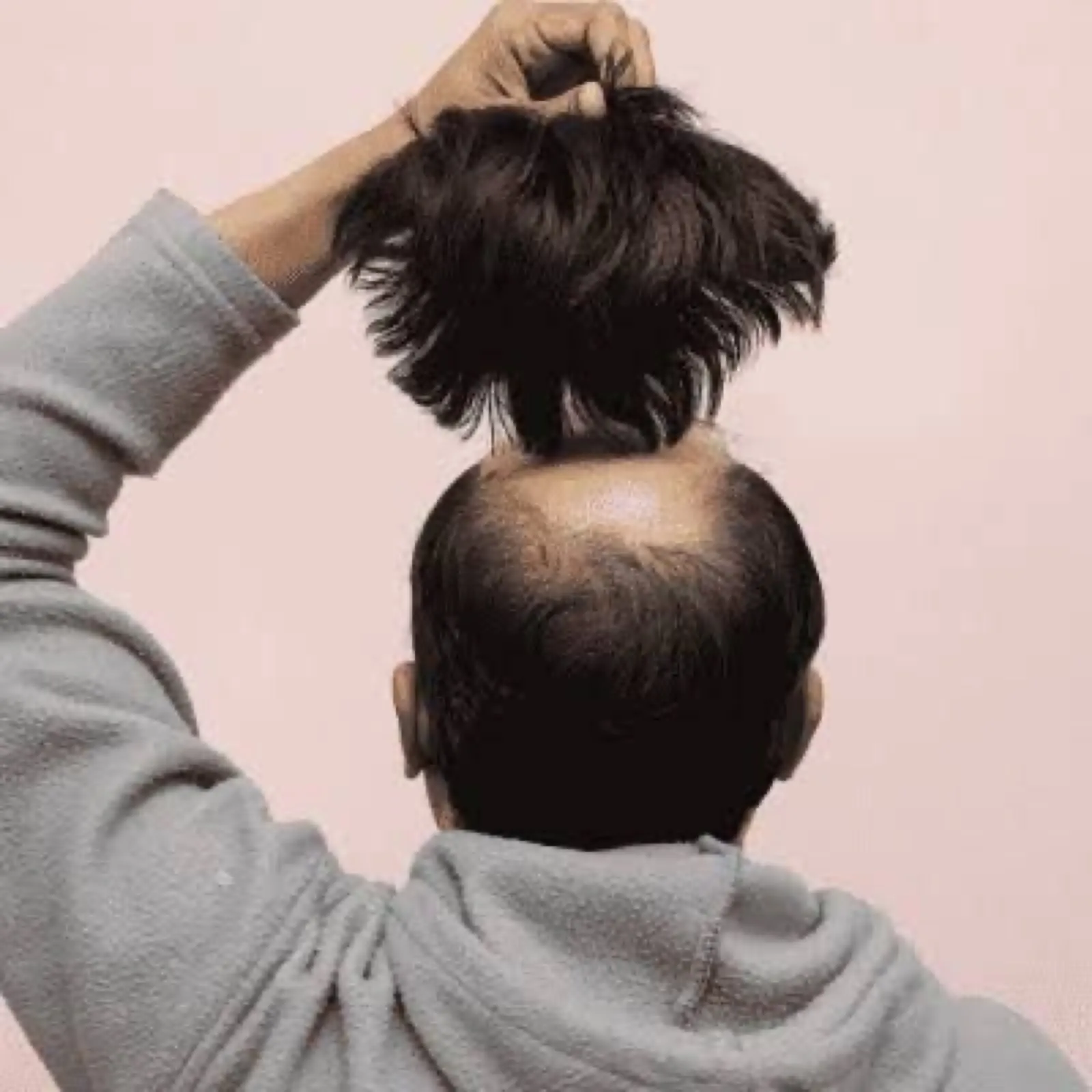
Bonding is the most common method and the one most people mean by hair fixing. A medical-grade adhesive or tape holds the perimeter of the unit to the scalp. It sits flat, there is nothing to feel at the hairline, and you can shower, swim and train without taking it off. It holds for a few weeks at a time, after which the unit is lifted, both surfaces are cleaned, and it goes back on.
Weaving takes a different route. A thin track of your own hair is braided around the area, and the unit is stitched to that braid. Nothing touches the scalp, which is why it suits people whose skin reacts to adhesives. It needs tightening as your hair grows, and it only works if you still have enough hair at the sides and back to braid.
Clip attachment is the loosest of the three. Small clips grip your existing hair, and the unit comes off whenever you want. It is the right answer for someone who wants to wear a system some days and not others, and the wrong answer for anyone who wants to forget they are wearing one.
Which suits you is decided at the scalp, not by preference. Oily skin breaks down adhesive faster and shortens the interval between services. Sensitive or reactive skin points towards weaving. Very little remaining hair rules weaving out, because there is nothing to braid into. Someone training hard every day in Lahore heat is a different case from someone in an office, and we will say so at the consultation.
The part that matters more than the method is the interval. A bonded system left on too long traps sweat and dead skin underneath, which is what causes irritation — not the adhesive itself. Weaving left untightened pulls on the braid as the hair grows, and sustained pulling is what causes traction damage at the root. Neither happens to someone who comes in when they are due. Both happen to someone who waits until something feels wrong.
We will also tell you when the answer is none of these. A scalp with an active condition needs treating before anything is attached to it, and we would rather say that at the consultation than fit around a problem and watch it get worse.
Oily skin, sensitive skin and how much hair is left each point to a different method. We look before recommending.
Flat, secure, nothing to feel at the hairline. Shower, swim and train without taking it off.
Stitched to a braid of your own hair, so nothing touches the skin. Needs enough hair at the sides and back.
The interval matters more than the method. Coming in when due is what prevents nearly every problem people blame on the method.
An active scalp condition gets treated first. We will not fit around a problem and hope.
We look at skin type, condition and how much hair remains, because those decide the method more than preference does.
Bonding, weaving or clips, with an honest account of what each costs you in convenience and upkeep.
The unit is attached, then cut and blended into your own hair so there is no visible edge.
How to wash, dry and sleep with it, which is most of what decides how long each fitting holds.
You come back on schedule. The unit is lifted, both surfaces cleaned, and it goes back on.
Bonding attaches the unit to the scalp with a medical-grade adhesive or tape. Weaving braids a track of your own hair and stitches the unit to that braid, so nothing touches the skin. Bonding suits most people; weaving suits those whose skin reacts to adhesive, provided there is enough hair left to braid.
A bond holds for a few weeks at a time, after which the unit is lifted, both surfaces are cleaned and it is re-fitted. Oily skin shortens that interval. We set your schedule at the fitting rather than giving a number that suits everyone.
Yes, when the interval is kept. Irritation almost always comes from leaving a unit on too long, which traps sweat and dead skin underneath, rather than from the adhesive. An active scalp condition should be treated before anything is attached.
Not if it is tightened on schedule. Damage comes from a braid left to pull as the hair grows out, because sustained tension on the root is what causes traction damage. Coming in when due prevents it.
Yes. A bonded system stays on through showering, swimming and training. That is the main reason people choose bonding over clips, which come off each day.
Book a consultation and let our team recommend the right next step for you.
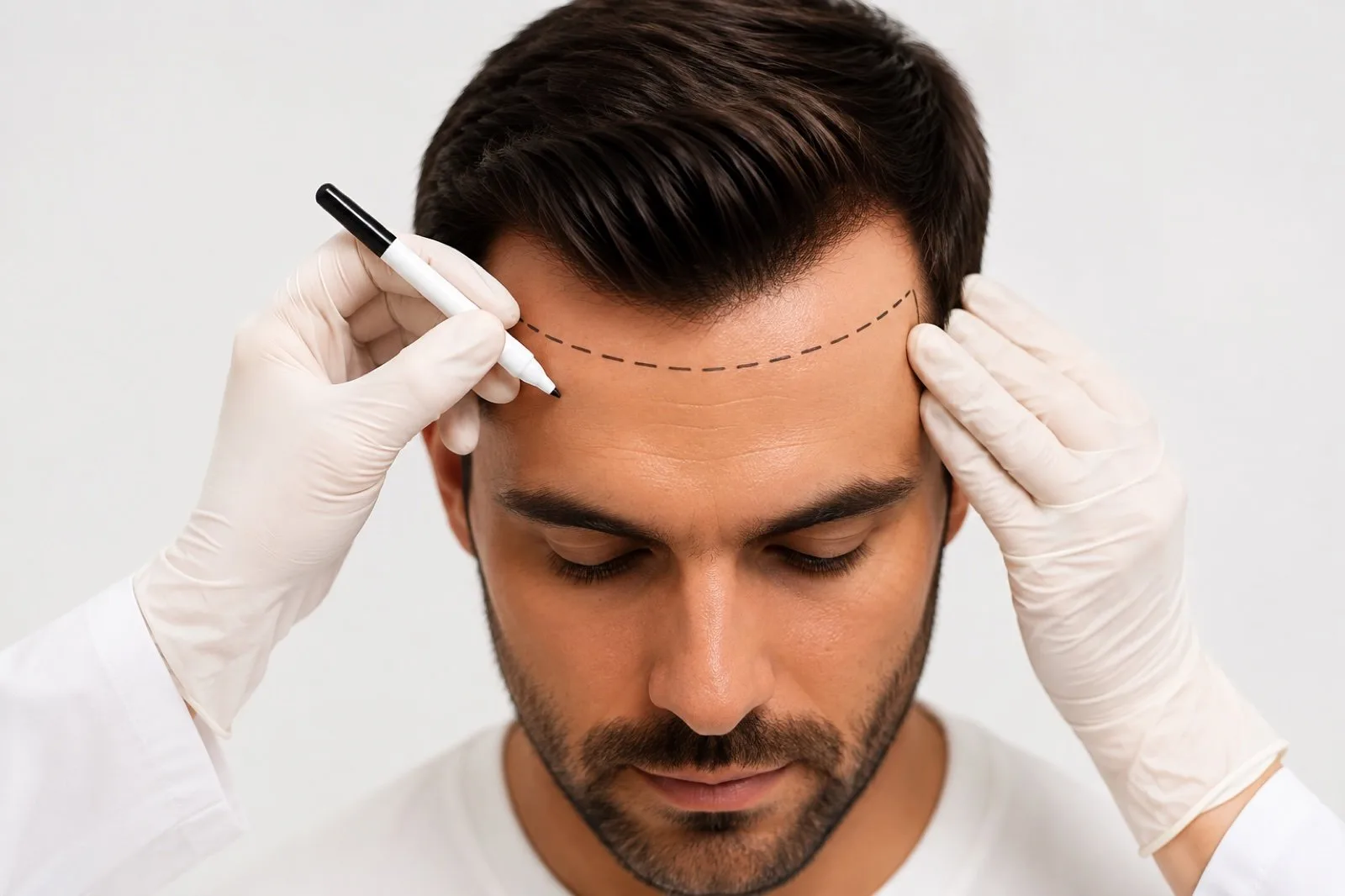
Permanent hair restoration using your own follicles, for natural density that keeps growing.
Learn More →
Advanced non-surgical hair patch solutions for an instant natural look and fuller hair.
Learn More →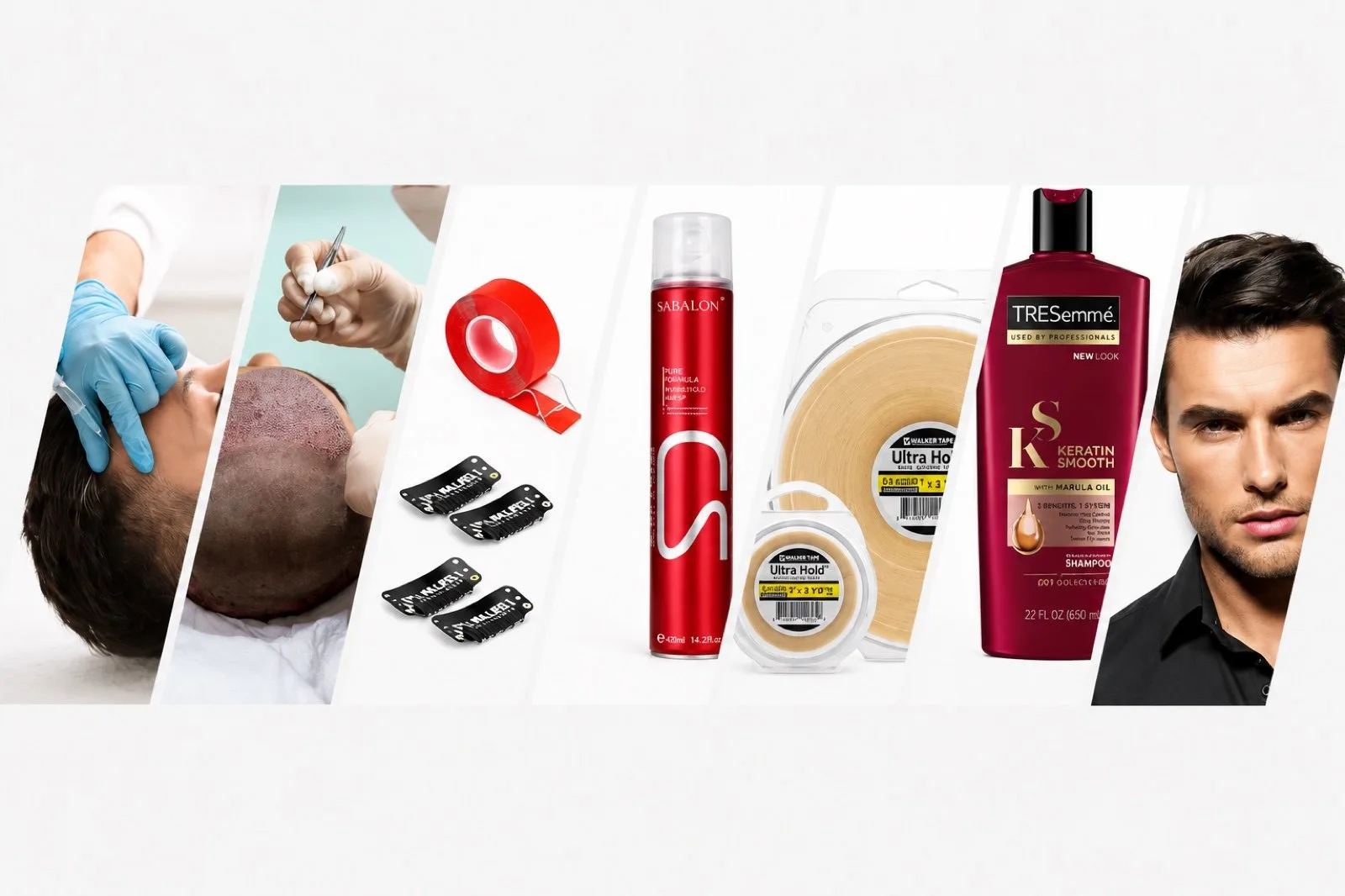
Hair patches and the products that keep them looking right, chosen and fitted at the clinic.
Learn More →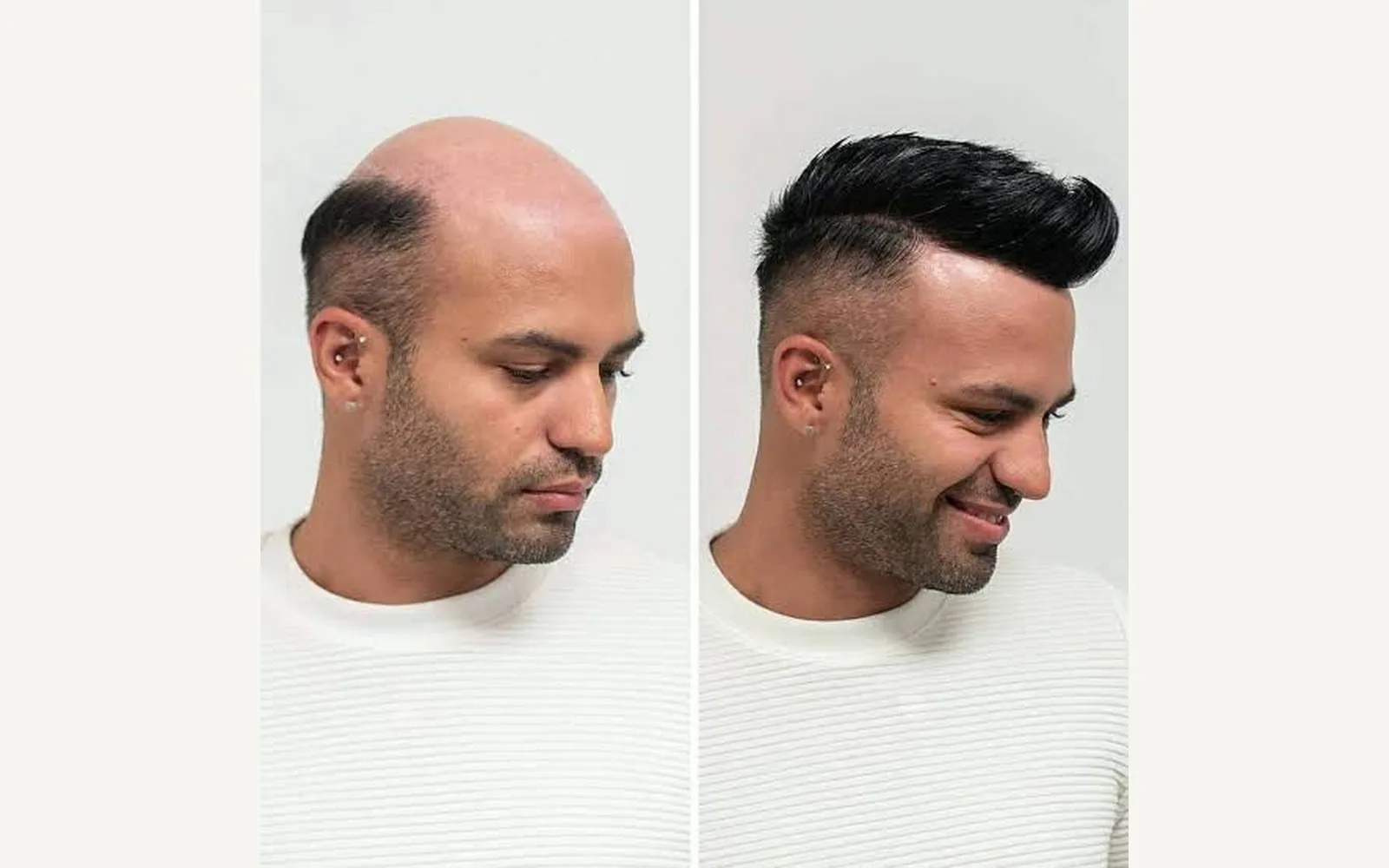
Clip-in, tape-in and micro-ring extensions in human hair, matched and blended into your own.
Learn More →
Platelet-rich plasma from your own blood, used to slow shedding and thicken the hair you still have.
Learn More →