
FUE Hair Transplant
Follicular Unit Extraction. Individual follicular units are taken one at a time from the donor area, leaving small scattered dot marks rather than a line. Suits shorter hairstyles.
A hair transplant moves your own living follicles from an area where hair still grows strongly to the areas that have thinned. Because the hair is yours, it keeps growing, and it can be cut, washed and styled exactly like the rest of your hair.
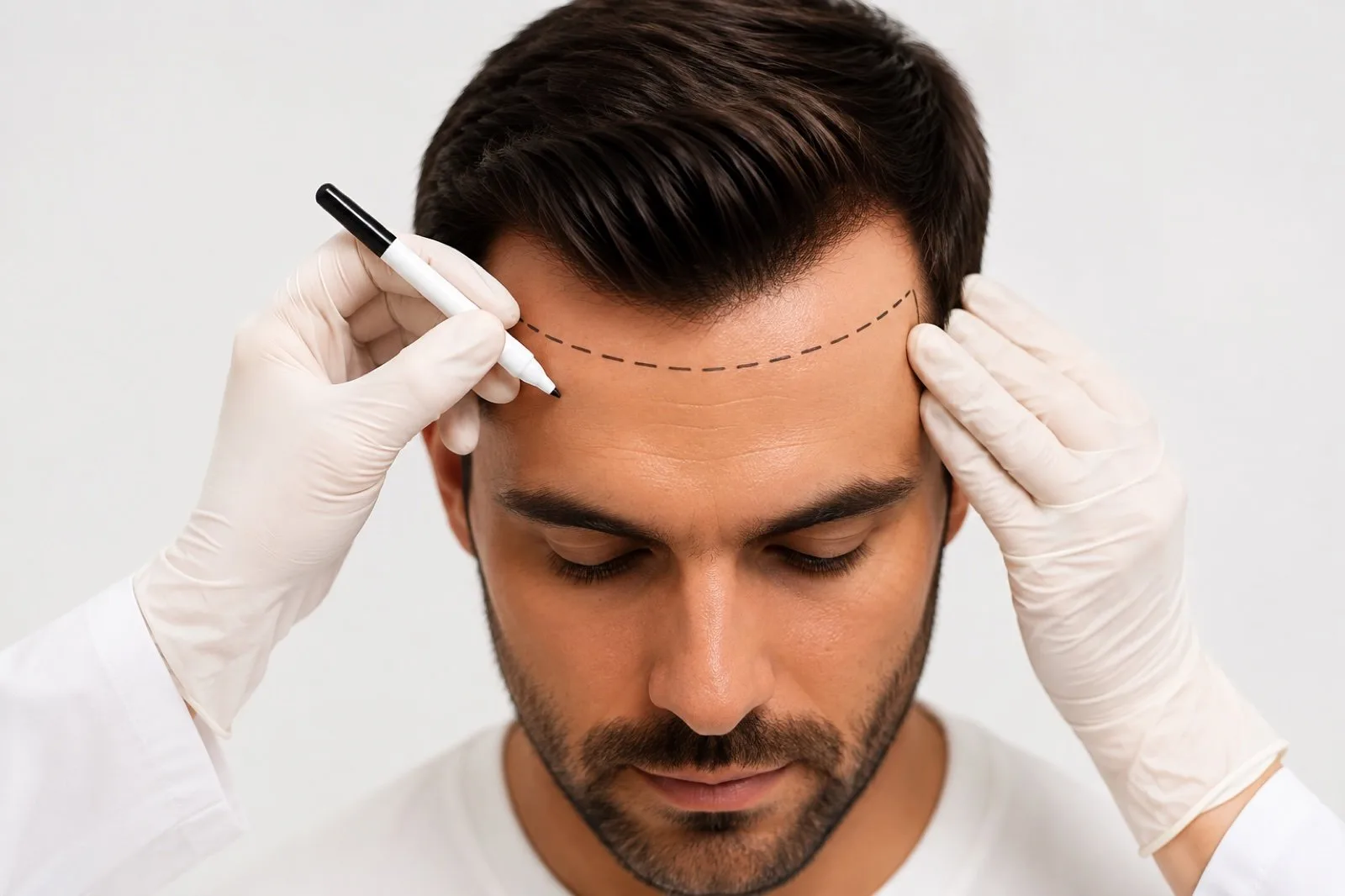
Hair loss rarely takes the whole scalp evenly. In most men the hair at the back and sides of the head is genetically resistant to thinning, and that is the hair a transplant relocates. Once relocated, those follicles keep their original character, which is why a well-planned transplant continues to grow long after the procedure.
The work that decides whether a result looks natural happens before anything is moved: reading the pattern of loss, judging how it is likely to progress, designing a hairline that suits the shape of your face now and will still suit it in ten years, and matching the angle and direction of every follicle to the hair around it. A dense result placed at the wrong angle, or a hairline drawn too low for the face, reads as artificial no matter how many follicles were used.
Not everyone is a candidate. If the donor area is thin, or the loss is still progressing quickly, a transplant on its own may not be the right answer — and in some cases a non-surgical hair system gives a better outcome the same day. That assessment is what the consultation is for, and it is free.
Follicular Unit Extraction. Individual follicular units are taken one at a time from the donor area, leaving small scattered dot marks rather than a line. Suits shorter hairstyles.
Follicular Unit Transplantation. A thin strip is taken from the donor area and divided into individual grafts under magnification, leaving a single fine line that longer hair covers.
The same technique applied to patchy beard growth, thin or over-plucked eyebrows, and scars where hair no longer grows.
Platelet-rich plasma prepared from a sample of your own blood and introduced into the scalp, used to support the hair you still have and the recovering area after a transplant.
We examine the scalp and donor area, talk through what is realistic, and agree whether a transplant, a hair system, or a combination is the right route.
The hairline is drawn with you and agreed before anything begins. Nothing is finalised until you are happy with it in the mirror.
Carried out under local anaesthetic. You are awake and comfortable throughout, and can talk, listen to music or watch something.
You go home the same day with written instructions on washing, sleeping and activity, and we stay reachable for questions.
Transplanted hair sheds before it regrows — this is normal and expected. We review progress with you as it comes through.
The transplanted hairs shed in the weeks after the procedure while the follicles settle. The follicles themselves stay, and new hair grows from them. This shedding phase surprises people who were not warned about it, so we explain it in advance.
The procedure is done under local anaesthetic, so the scalp is numb throughout. Most people describe the days afterwards as tender rather than painful.
Neither is better in general; they suit different people. FUE leaves scattered dot marks and suits very short hairstyles. FUT leaves one fine line hidden by longer hair, and can be the better choice for larger areas. We recommend based on your donor area and how you wear your hair.
No. A transplant restores coverage where hair has been lost; it does not stop hair loss elsewhere continuing. That is why treatment plans often combine a transplant with PRP therapy to support the hair you still have.
Book a consultation and let our team recommend the right next step for you.
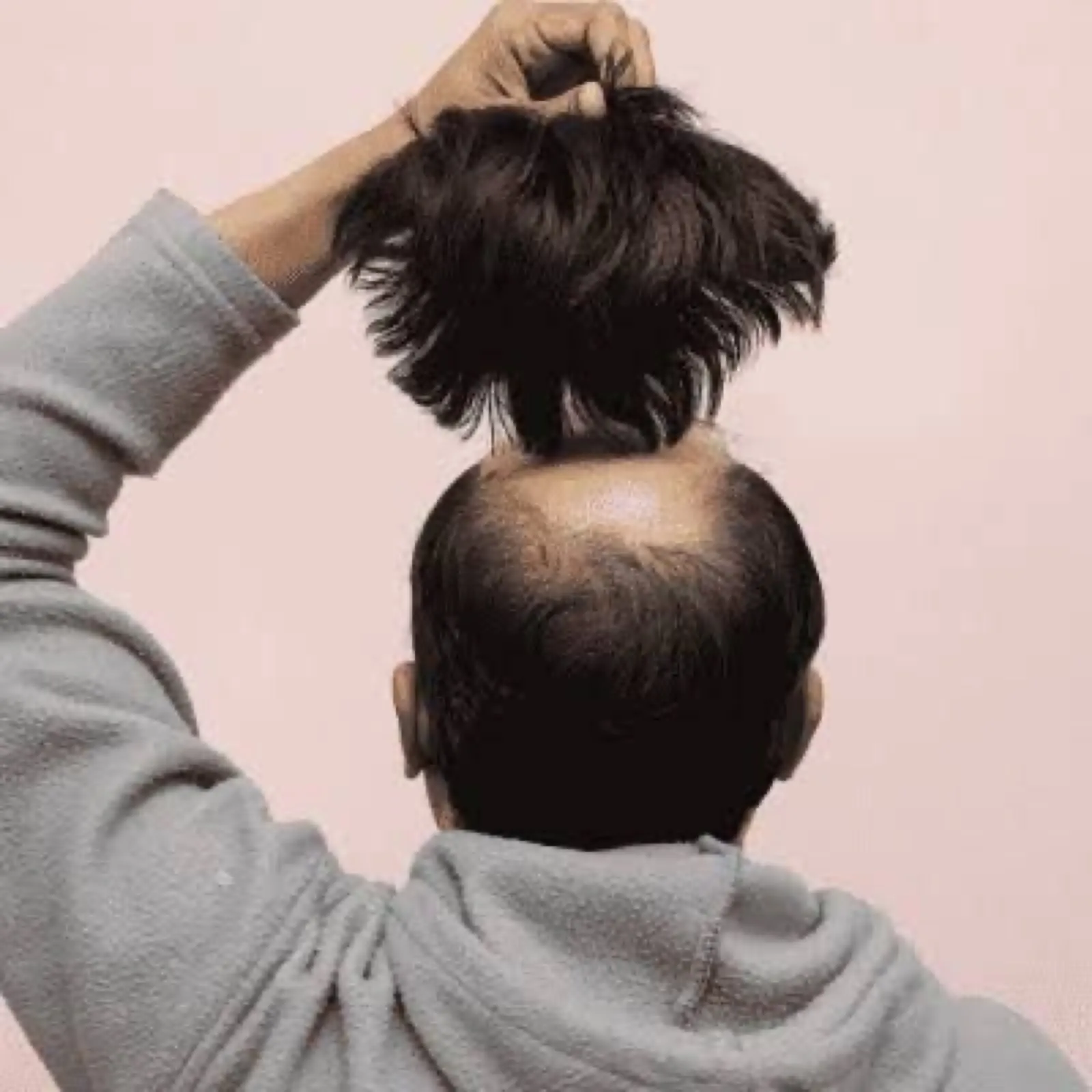
Advanced non-surgical hair patch solutions for an instant natural look and fuller hair.
Learn More →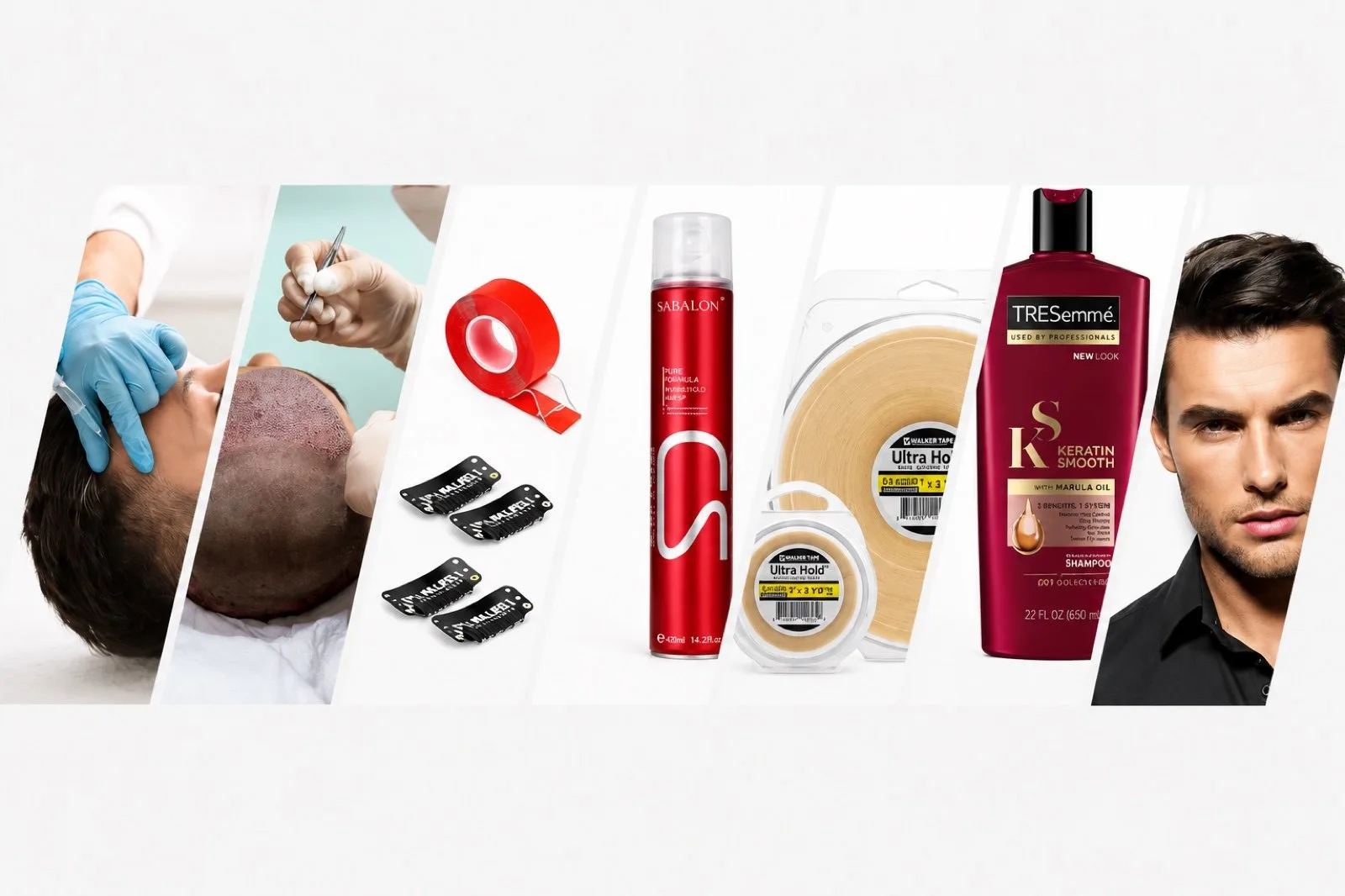
Hair patches and the products that keep them looking right, chosen and fitted at the clinic.
Learn More →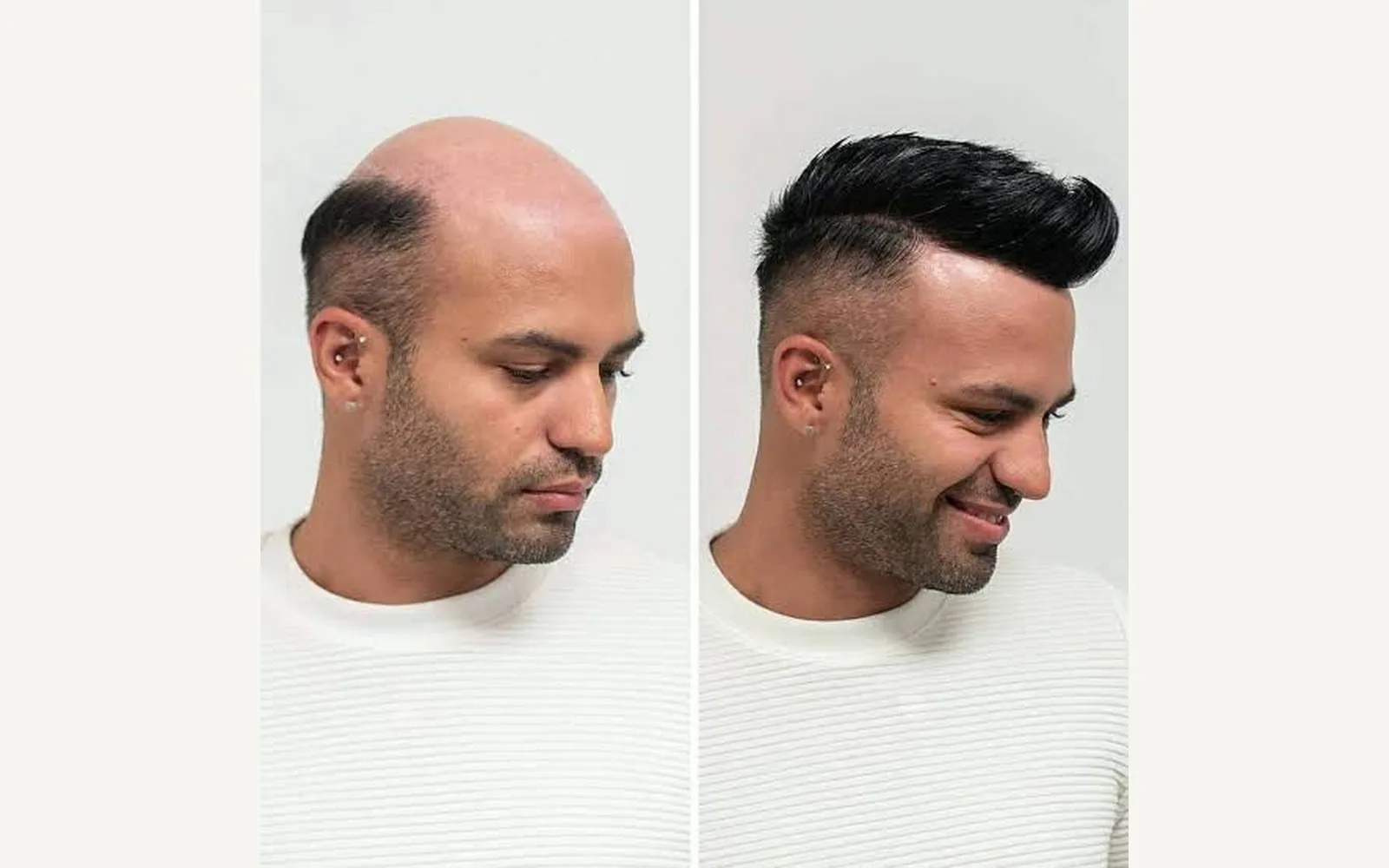
Clip-in, tape-in and micro-ring extensions in human hair, matched and blended into your own.
Learn More →
The methods used to attach a hair system — bonding, weaving and clipping — and which one suits your scalp.
Learn More →
Platelet-rich plasma from your own blood, used to slow shedding and thicken the hair you still have.
Learn More →