
For hair you still have
PRP works on follicles that are weakening. It does not regrow hair where the follicle has already gone.
PRP uses your own blood. A small sample is drawn, spun to separate the platelet-rich plasma, and that plasma is injected into the scalp. It is a treatment for the hair you still have — not a way of replacing hair you have lost.
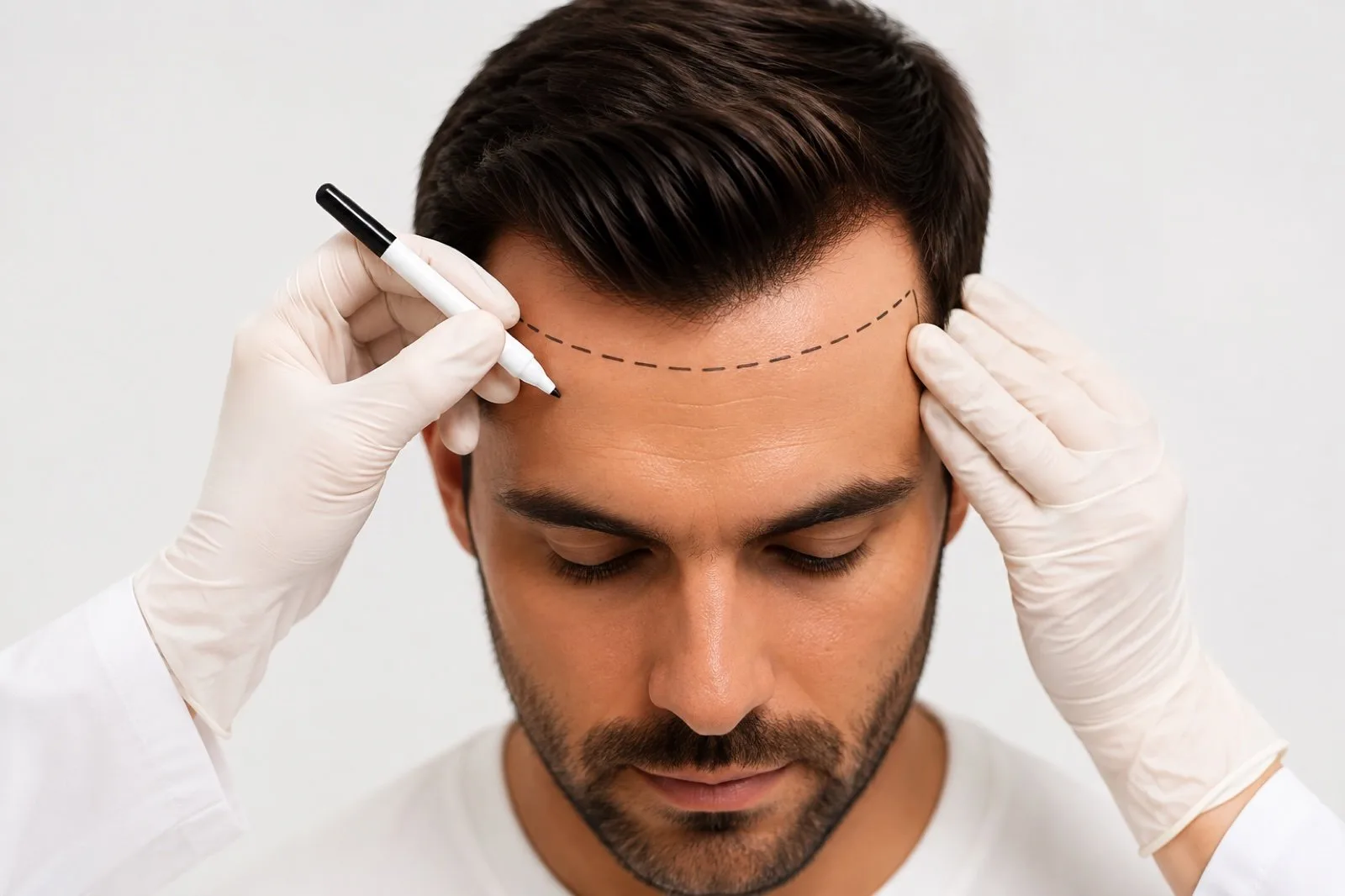
Being straight about this matters more than selling it. PRP does not regrow hair on a scalp that is already bald. Where a follicle has gone, nothing injected into the skin brings it back. What PRP can do is work on follicles that are still alive but weakening: slowing shedding, and thickening hair that has gone fine and wispy.
That makes it a treatment for early and moderate thinning, and a poor choice for advanced loss. If you are noticing more hair on the pillow and in the shower, and your hairline is receding rather than gone, you are the person PRP is for. If the crown is bare, it is not — and we will tell you that rather than sell you a course of sessions that cannot work.
A session takes under an hour. Blood is drawn as it would be for any test, spun in a centrifuge, and the plasma injected across the thinning area with a fine needle. It is uncomfortable rather than painful, and you go back to your day afterwards. Most people are advised a short initial course spaced several weeks apart, then occasional maintenance, because the effect fades if nothing follows it.
Results are gradual and easy to miss. Nothing happens in the first weeks; shedding usually settles first, and any thickening shows later. It is worth photographing your scalp at the start under the same light, because month-to-month change is slow enough that memory is a poor judge of it.
PRP is often used alongside other things rather than on its own. After a transplant it supports the area while it settles. Alongside a hair system it looks after the hair that remains. For someone not ready for surgery, it can buy time — which is a legitimate reason to do it, as long as that is what you are expecting.
It does not suit everyone. Certain blood conditions, some medications and an active scalp infection all rule it out or mean it should wait. That is a conversation at the consultation, not something to work out from a website.
PRP works on follicles that are weakening. It does not regrow hair where the follicle has already gone.
A small sample is drawn, spun, and the plasma injected into the thinning area.
Most useful for early and moderate thinning. For advanced loss we will point you at a system or a transplant instead.
A short initial course spaced weeks apart, then occasional maintenance. The effect fades if nothing follows it.
Selling a course that cannot work on your pattern of loss is not something we are willing to do.
We look at your pattern of loss and say honestly whether PRP suits it, or whether something else would serve you better.
Taken under consistent light, because change is slow enough that memory is a poor judge of it.
Blood drawn, spun to separate the plasma, and injected across the thinning area with a fine needle. Under an hour.
Sessions spaced several weeks apart. Shedding usually settles before any thickening shows.
Occasional sessions afterwards, since the effect fades if nothing follows the initial course.
Not on a bald scalp. Where the follicle has gone, nothing injected into the skin brings it back. PRP works on follicles that are still alive but weakening — slowing shedding and thickening hair that has gone fine. It is a treatment for the hair you still have.
People with early or moderate thinning who still have hair in the area. If you are shedding more than usual and your hair has gone finer, it is worth discussing. If the crown is already bare, a hair system or a transplant is the honest answer instead.
Uncomfortable rather than painful. Blood is drawn as it would be for any test, and the plasma is injected with a fine needle across the thinning area. The session takes under an hour and you can go back to your day afterwards.
Usually a short initial course spaced several weeks apart, then occasional maintenance. The number depends on your pattern of loss, and we will give you an expected course at the assessment rather than an open-ended one.
It depends on the number of sessions your case calls for, which we can only judge after looking at your scalp. The consultation is free, and we will tell you if PRP is not the right treatment for your pattern of loss.
Book a consultation and let our team recommend the right next step for you.
Permanent hair restoration using your own follicles, for natural density that keeps growing.
Learn More →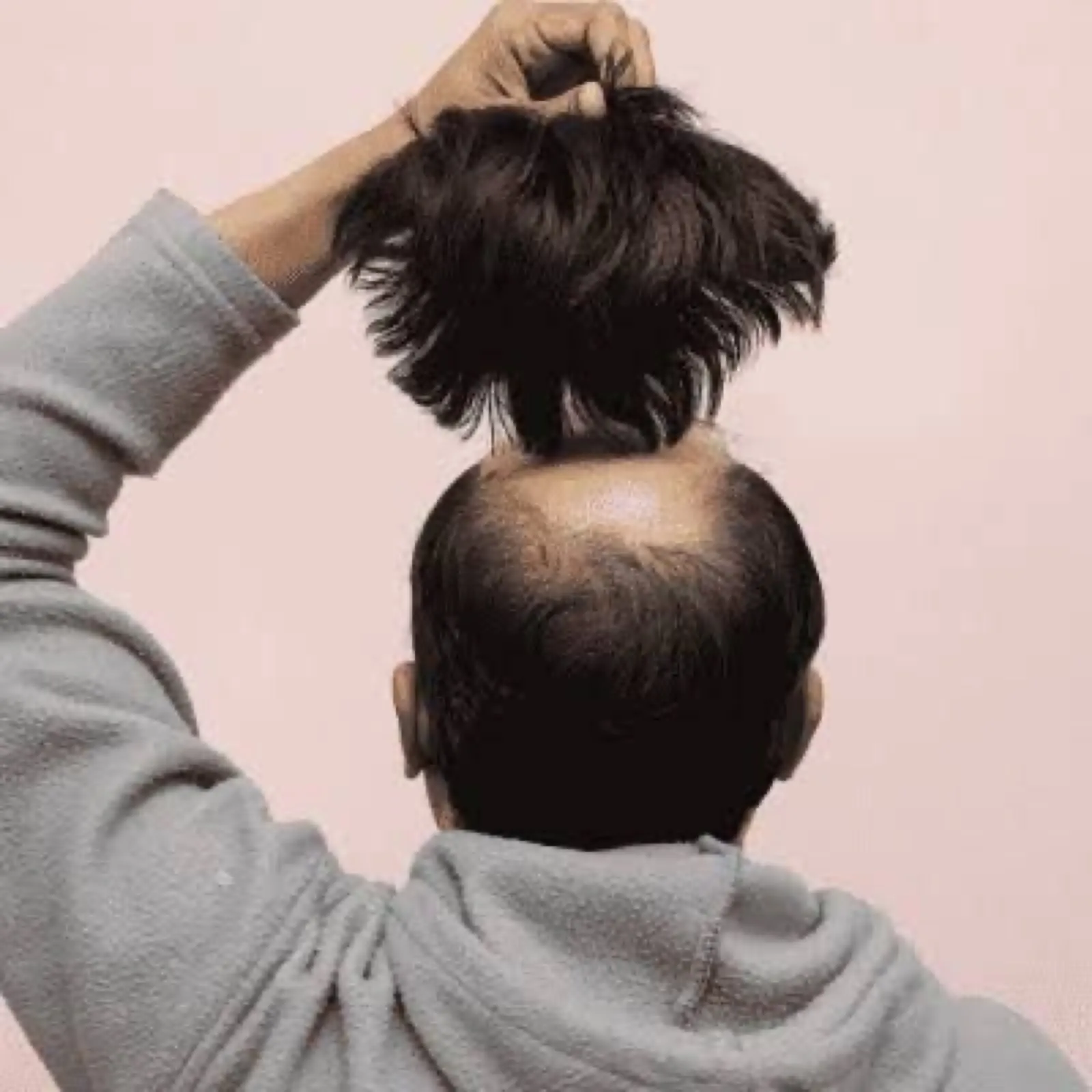
Advanced non-surgical hair patch solutions for an instant natural look and fuller hair.
Learn More →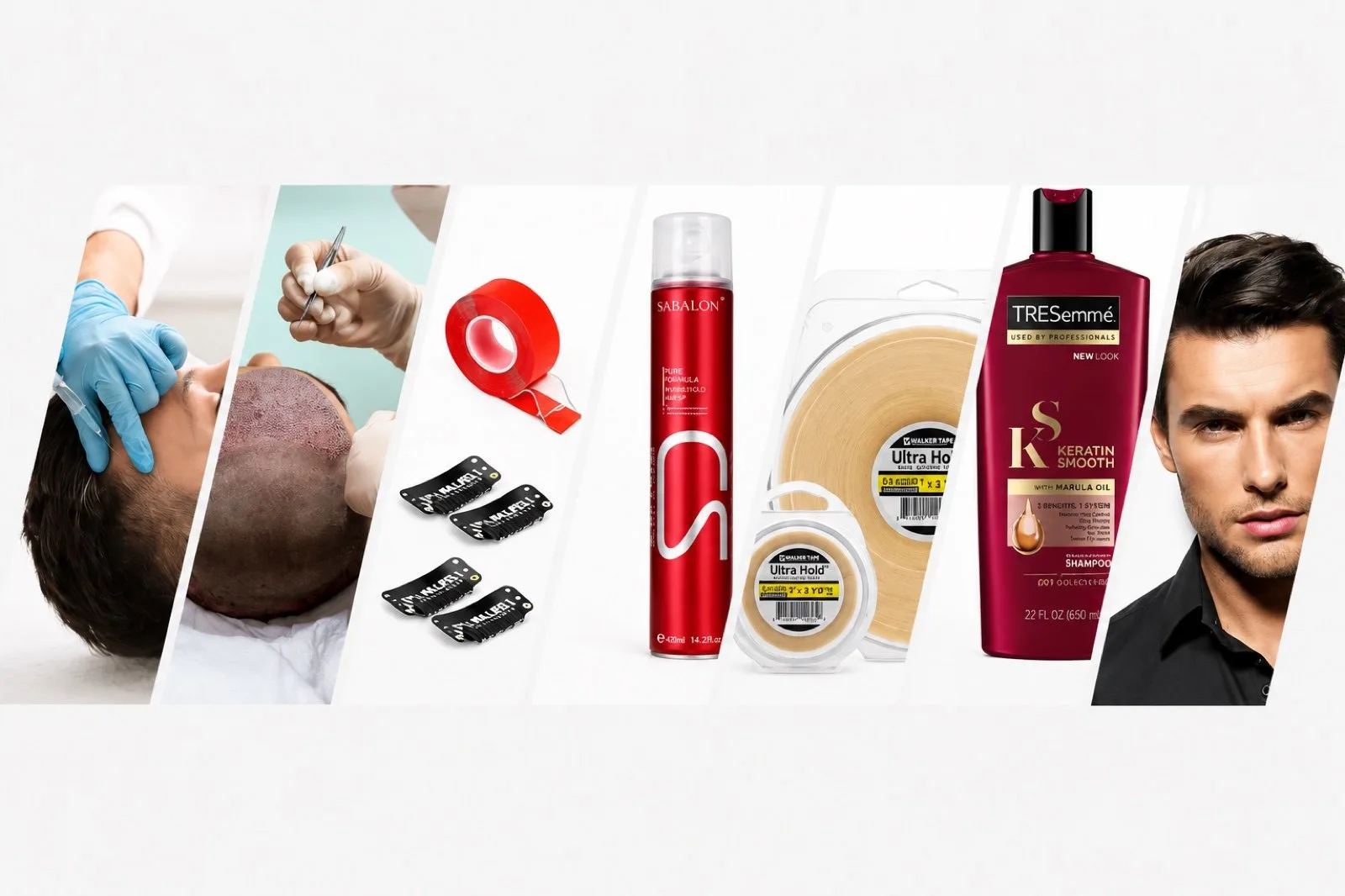
Hair patches and the products that keep them looking right, chosen and fitted at the clinic.
Learn More →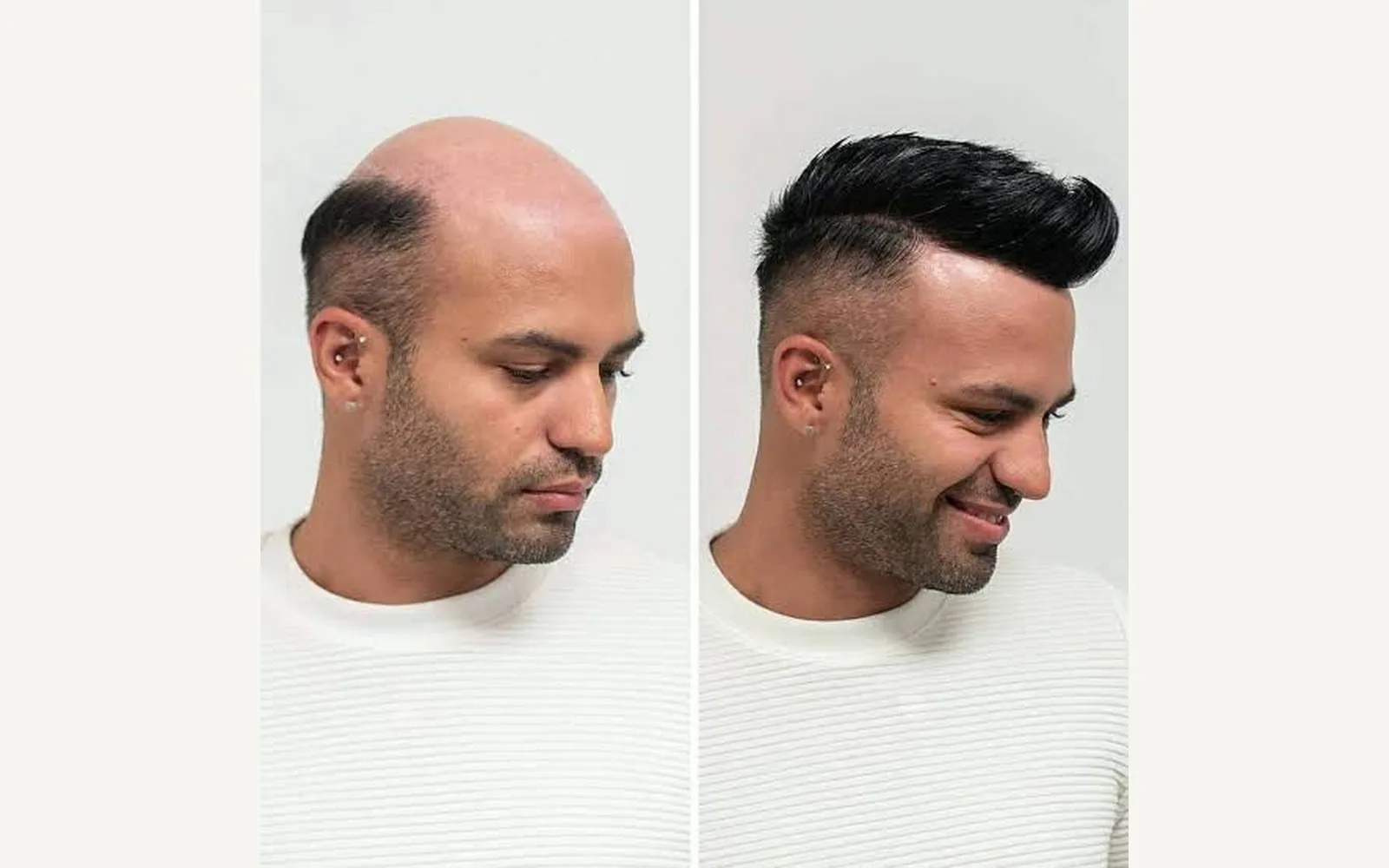
Clip-in, tape-in and micro-ring extensions in human hair, matched and blended into your own.
Learn More →
The methods used to attach a hair system — bonding, weaving and clipping — and which one suits your scalp.
Learn More →